End of Roll
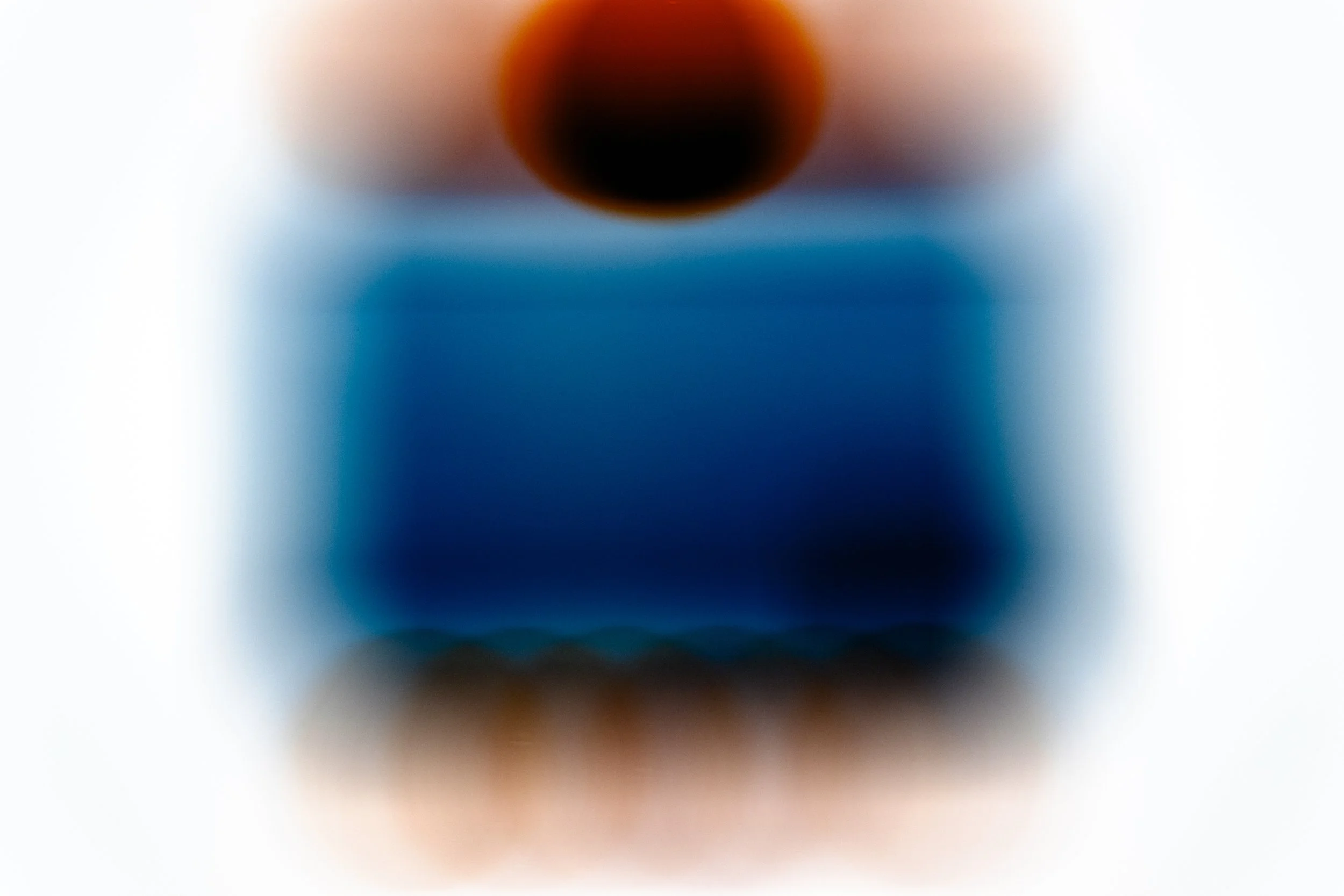
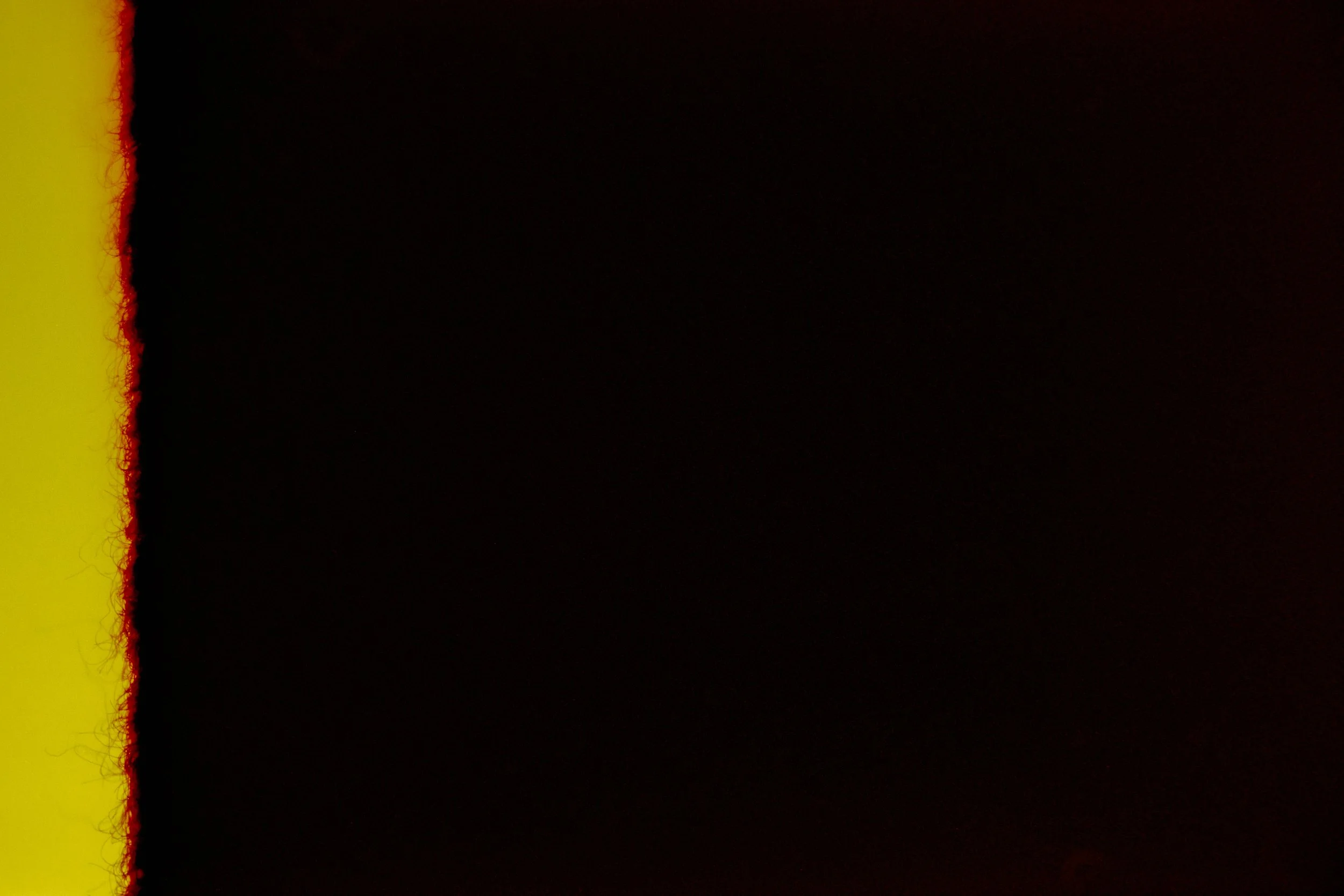
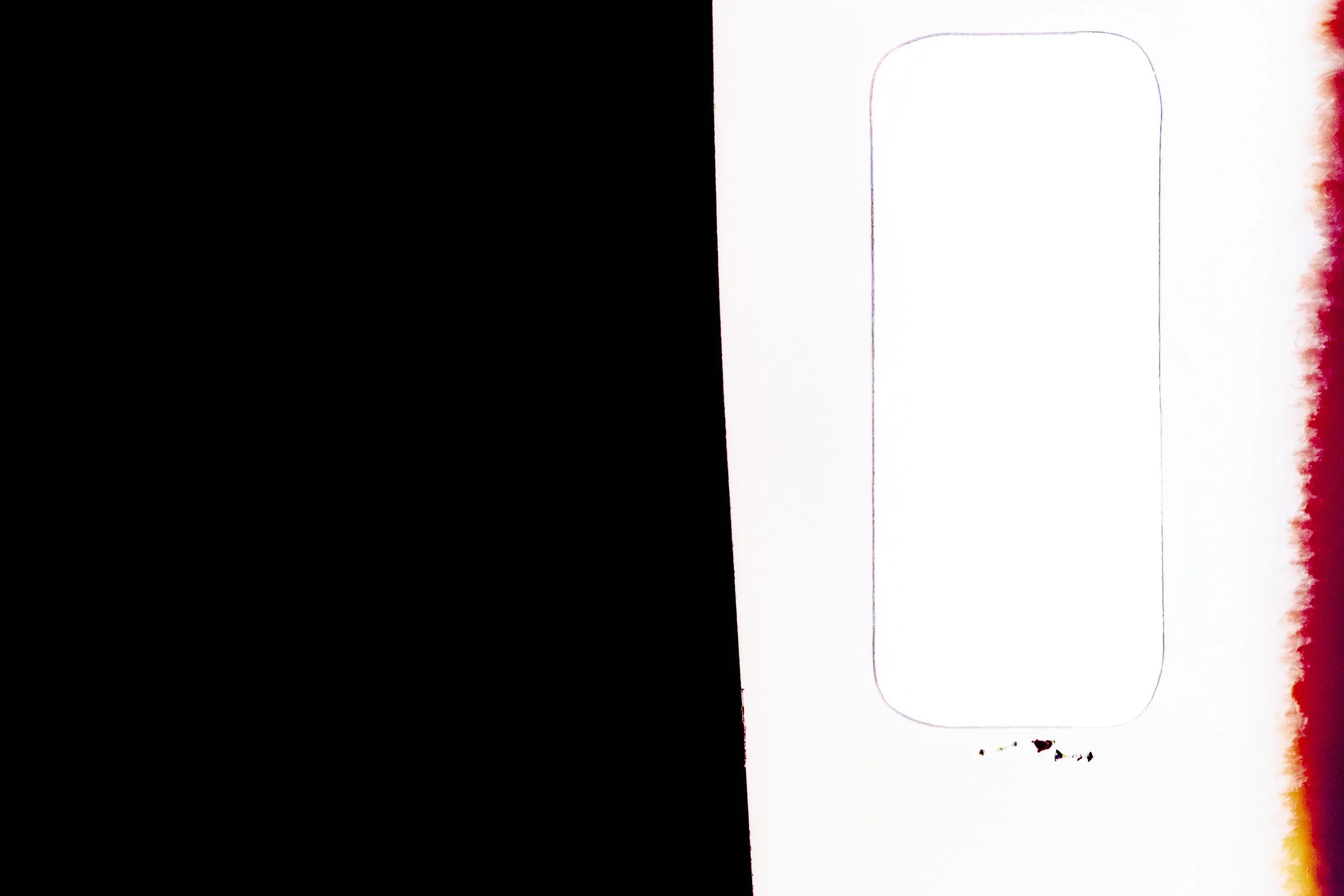
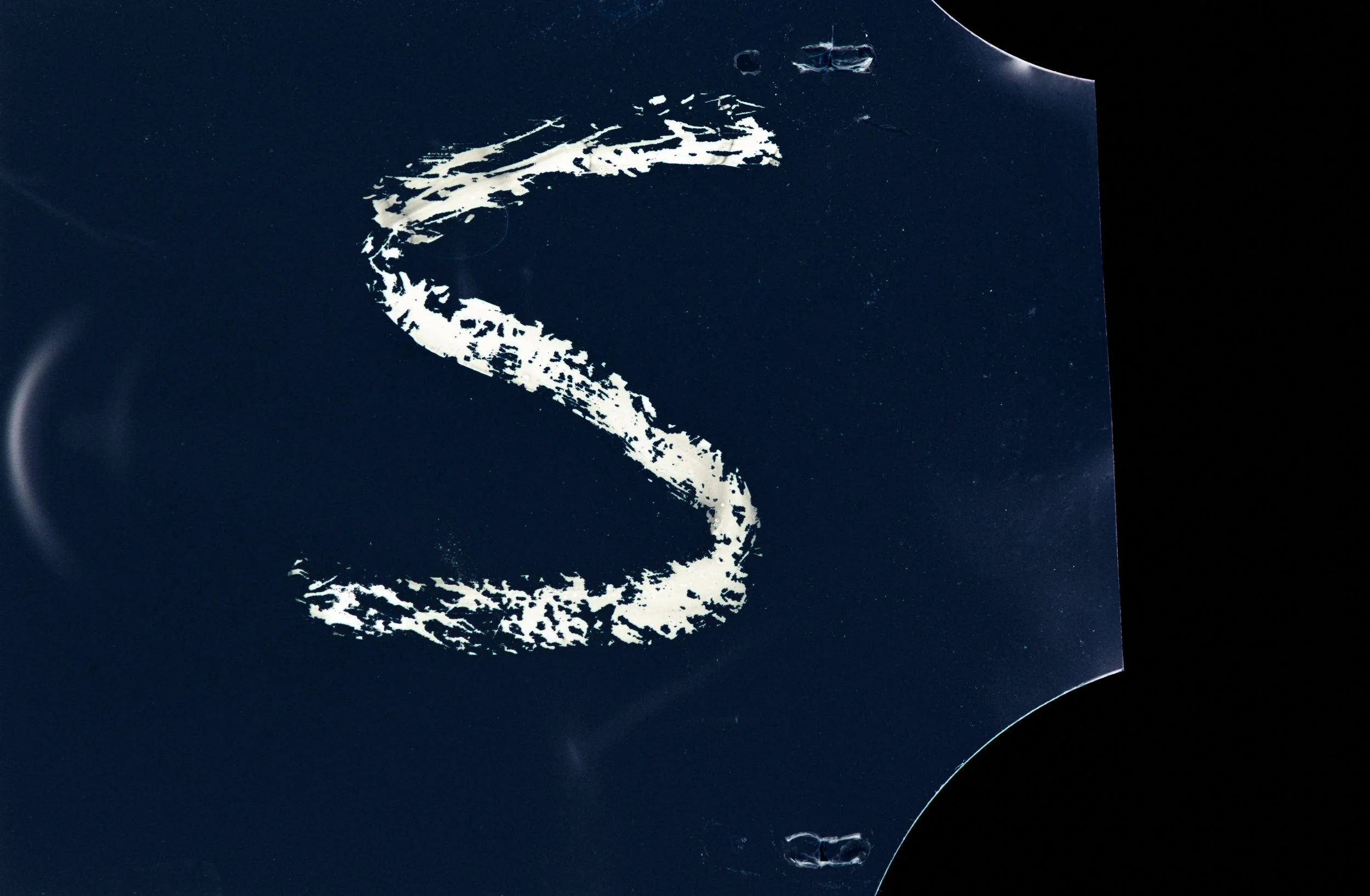
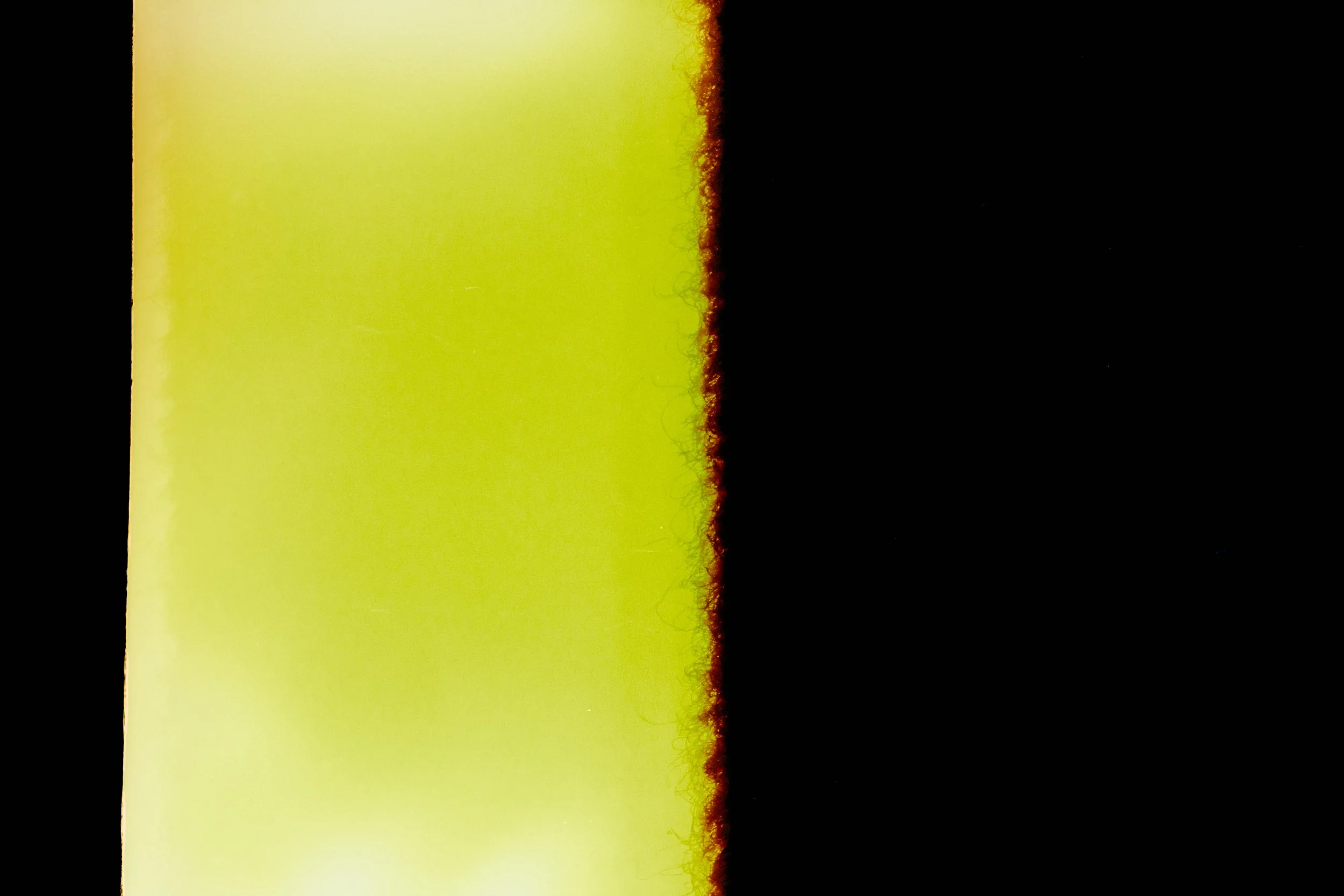
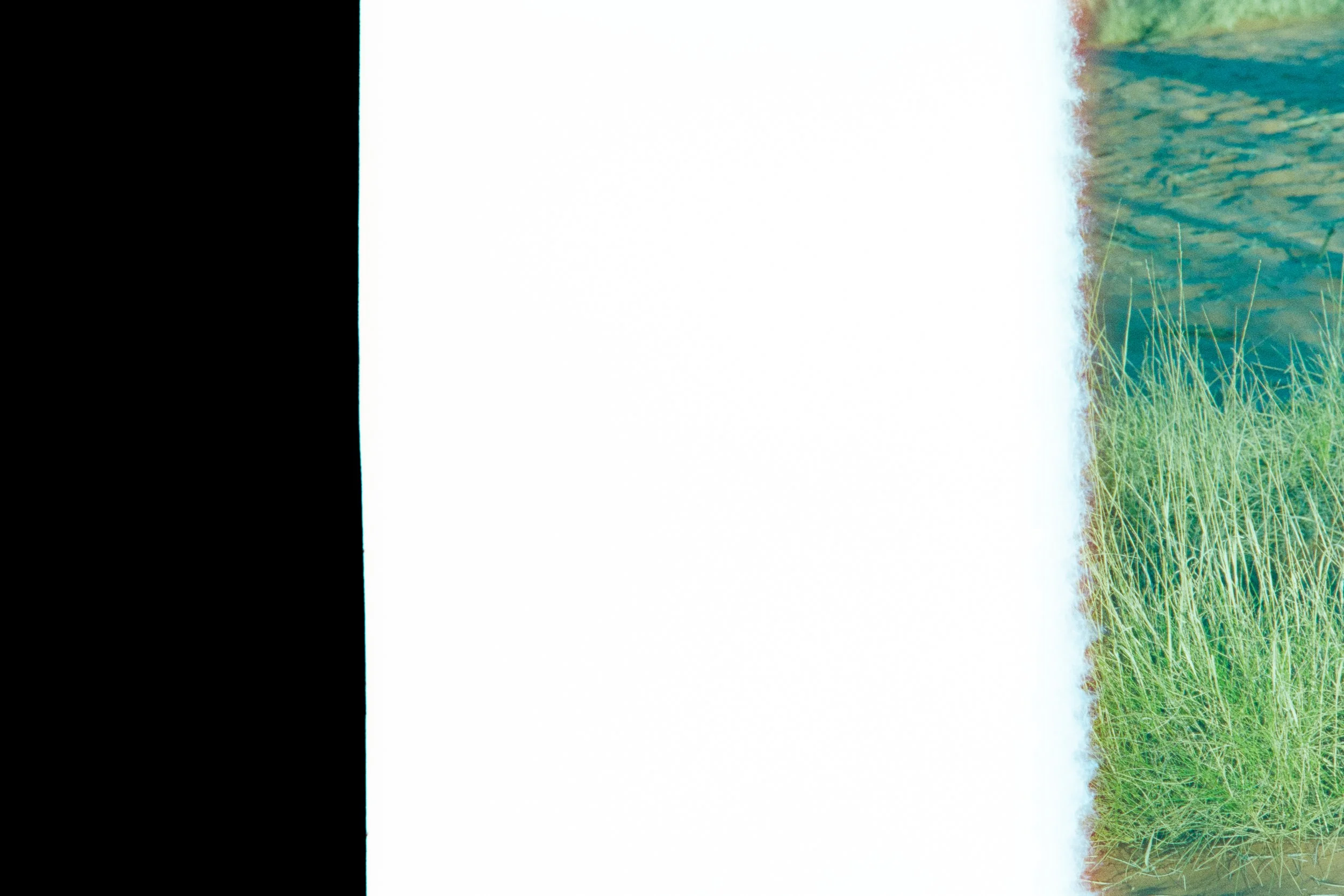
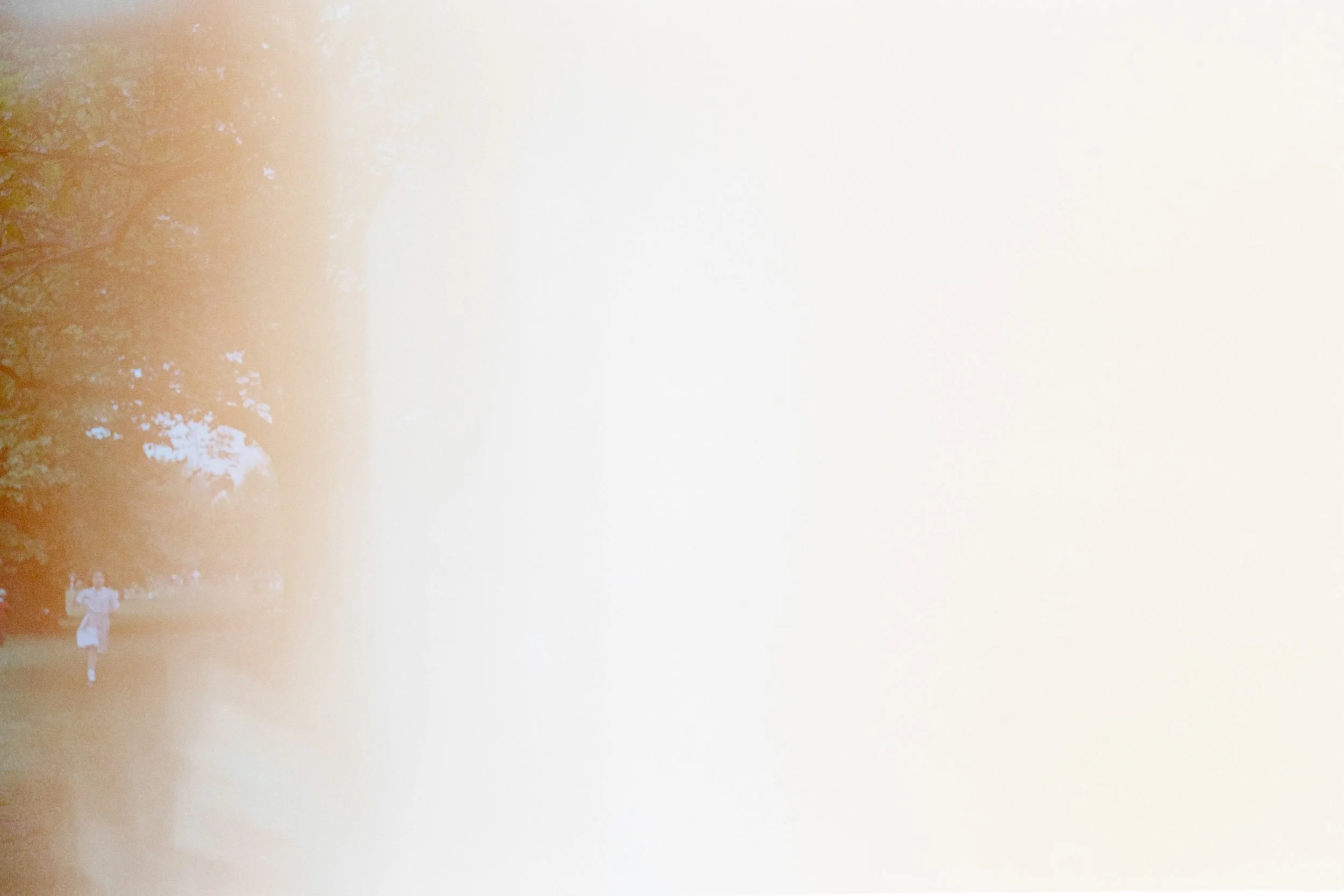
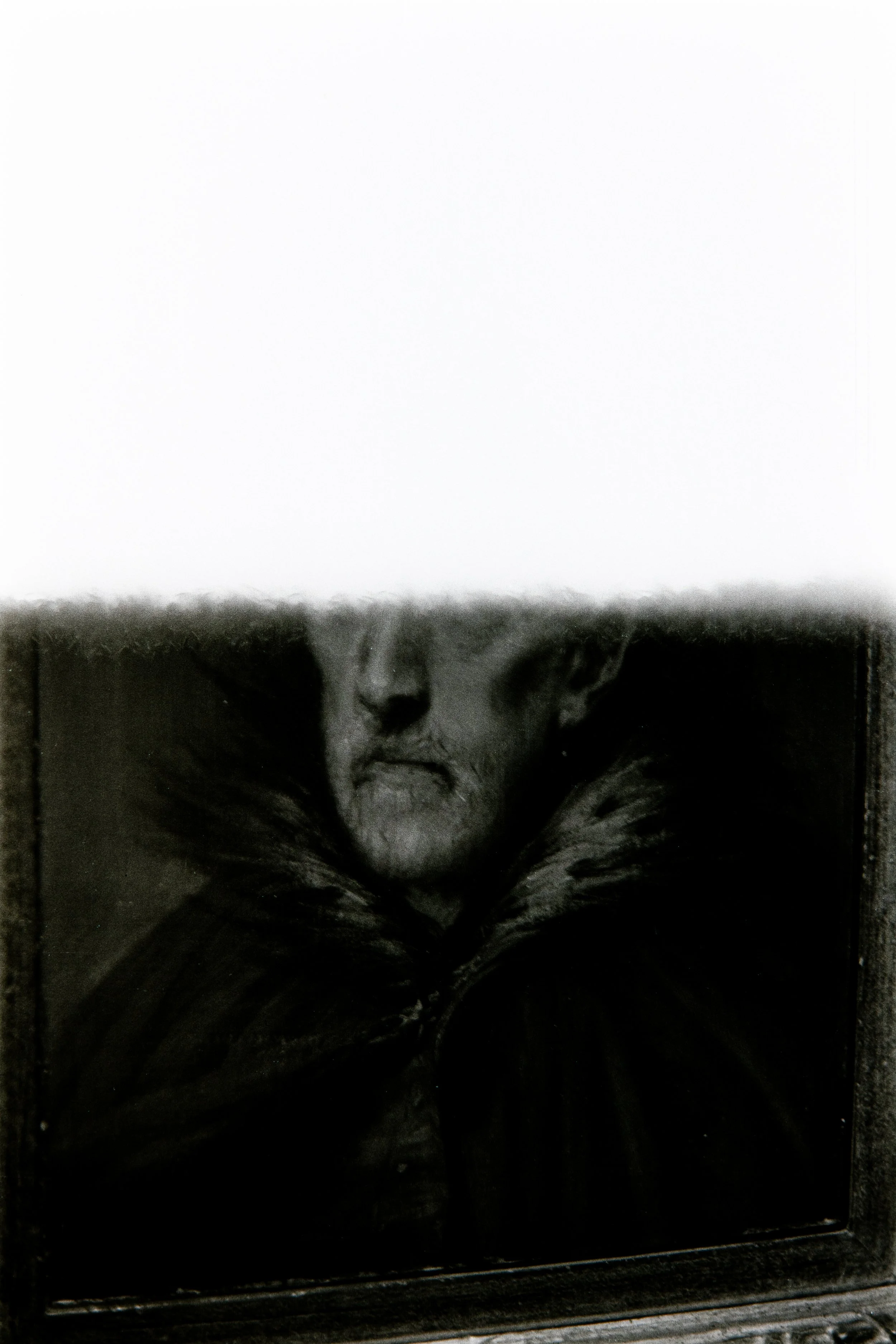
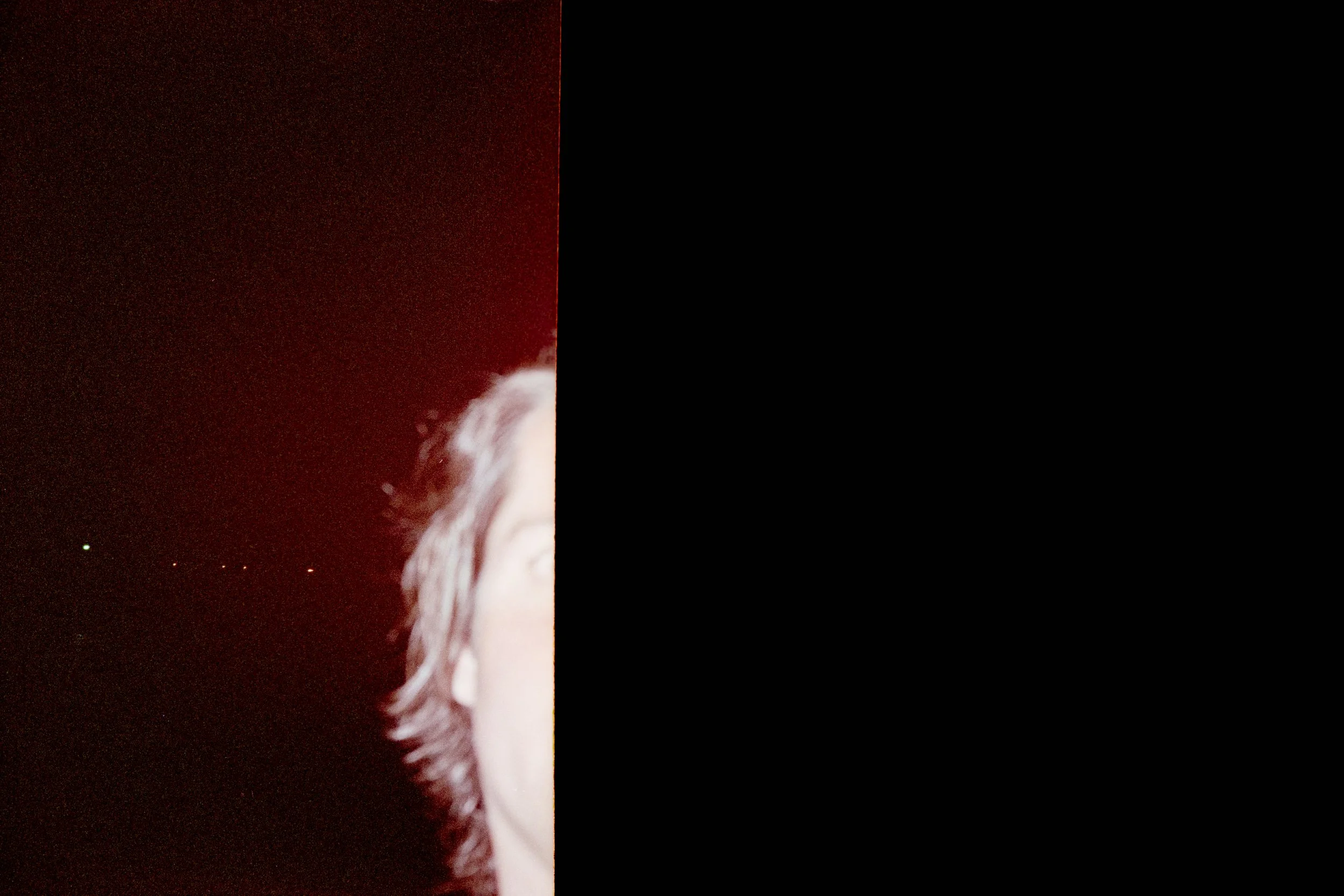
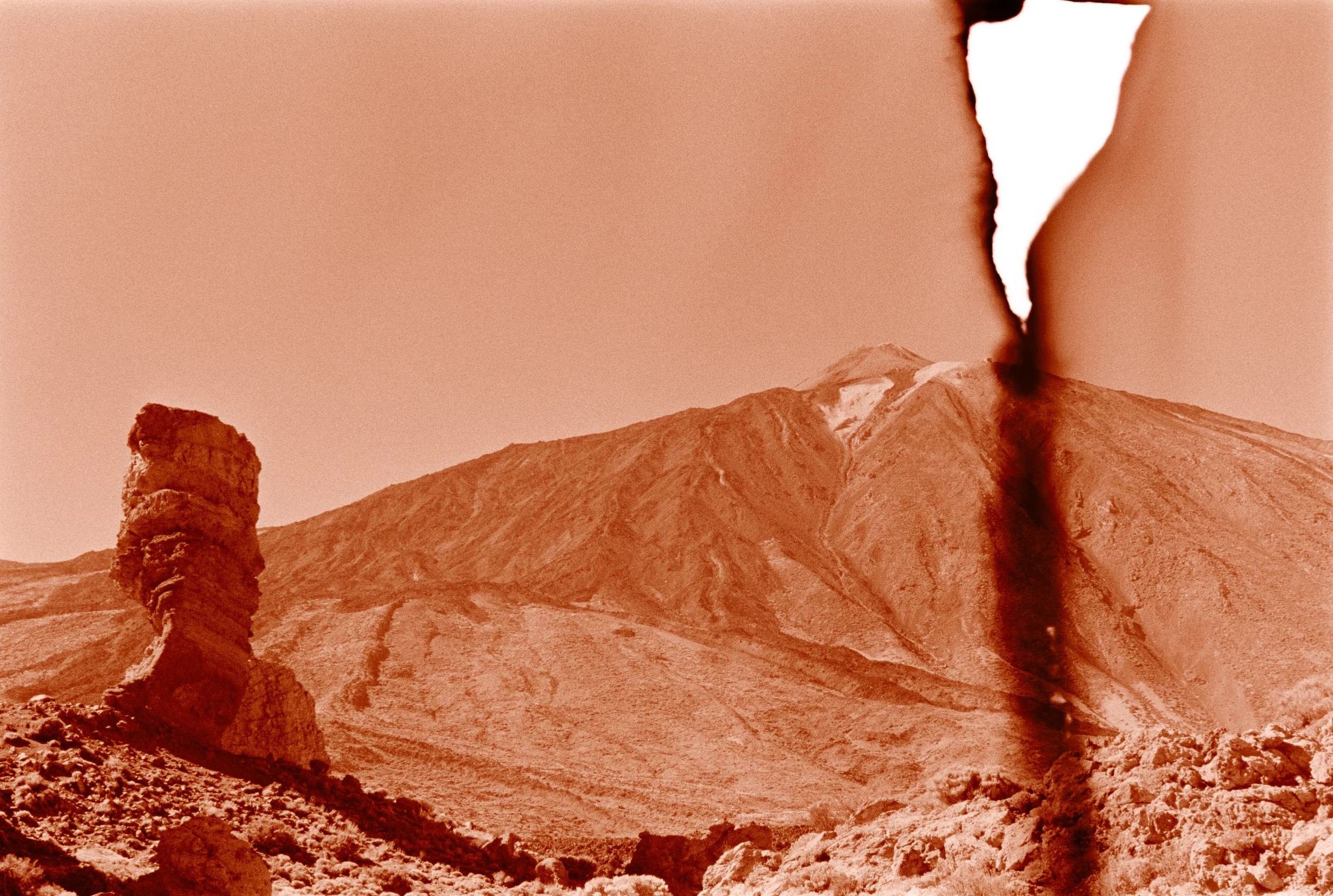
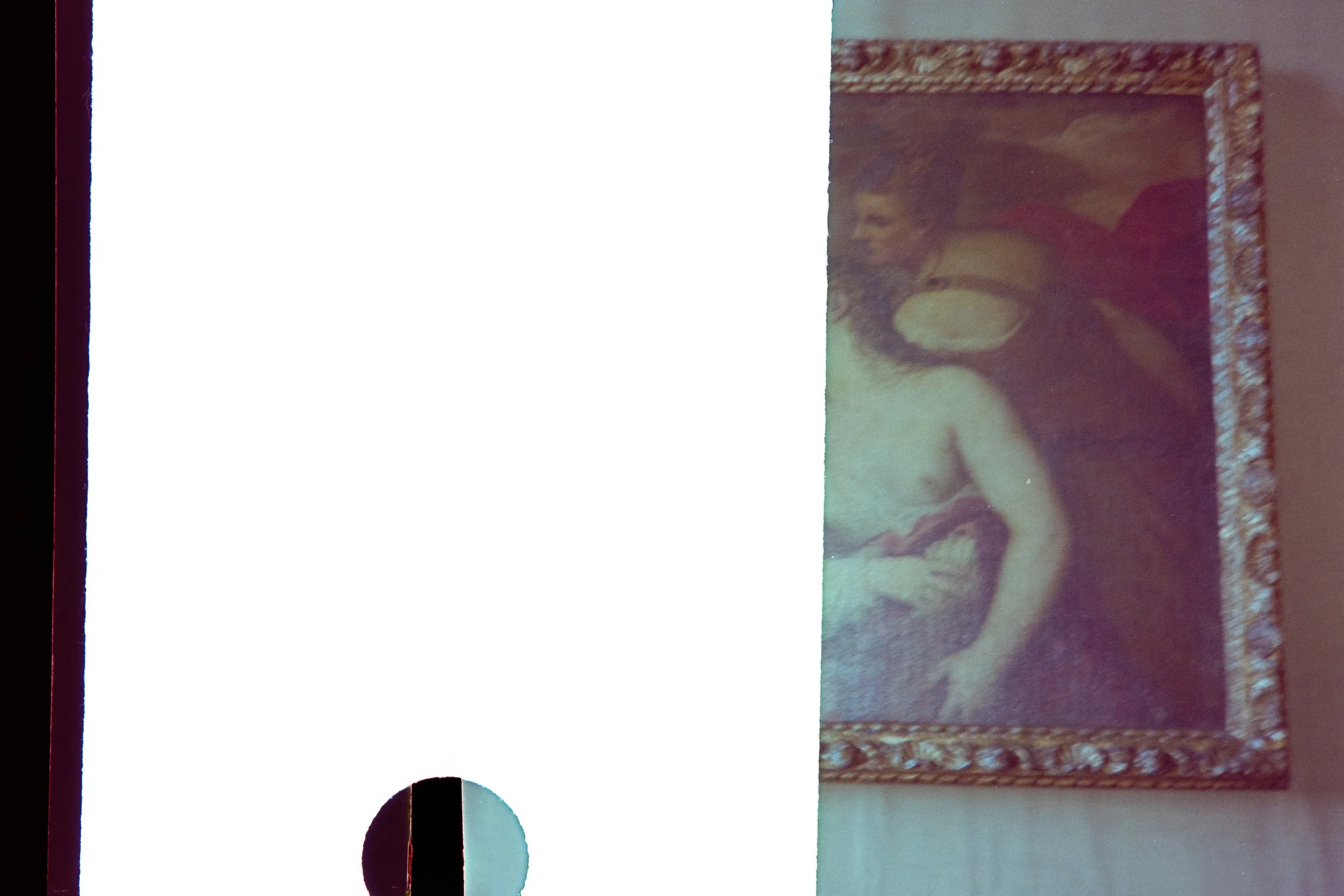
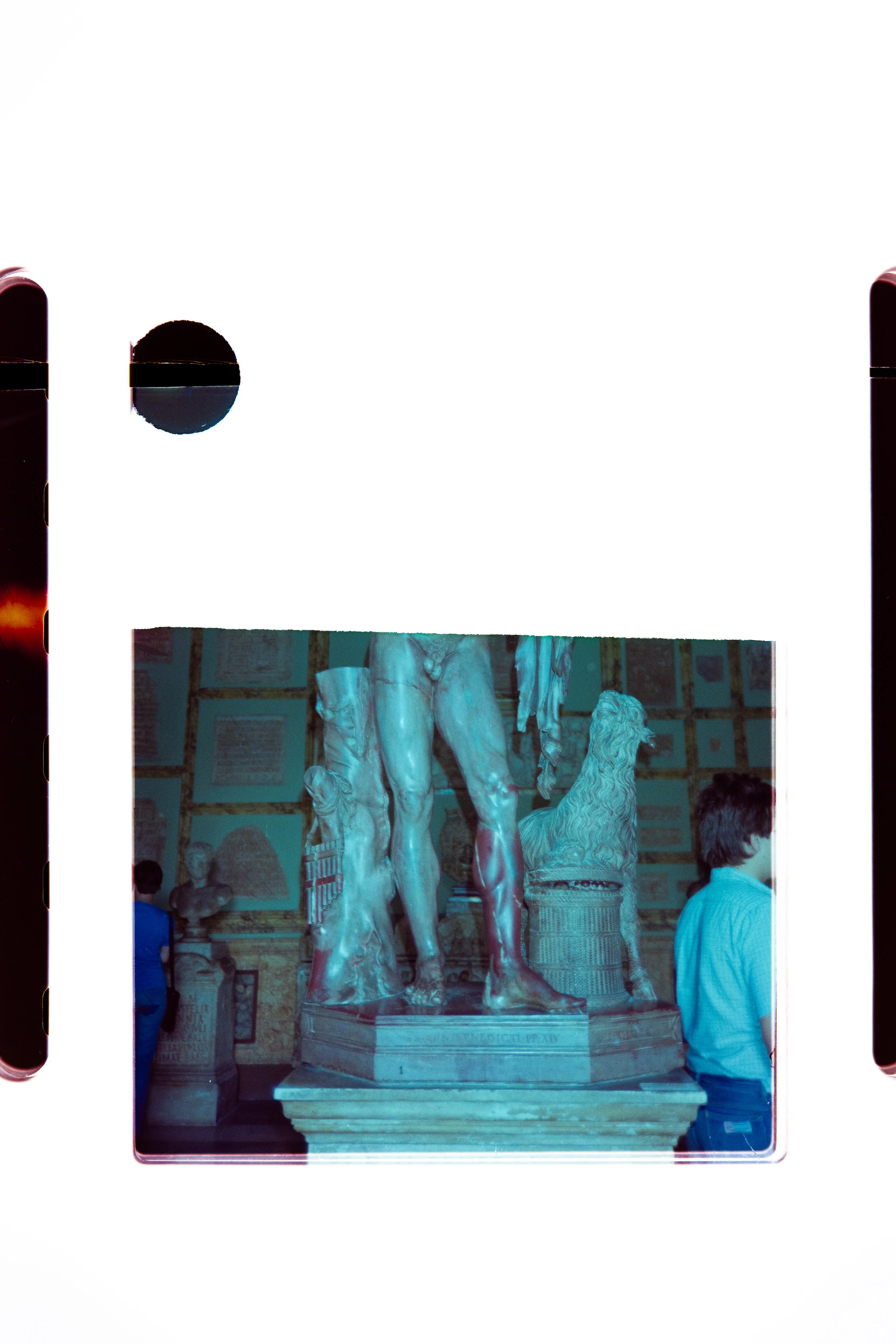
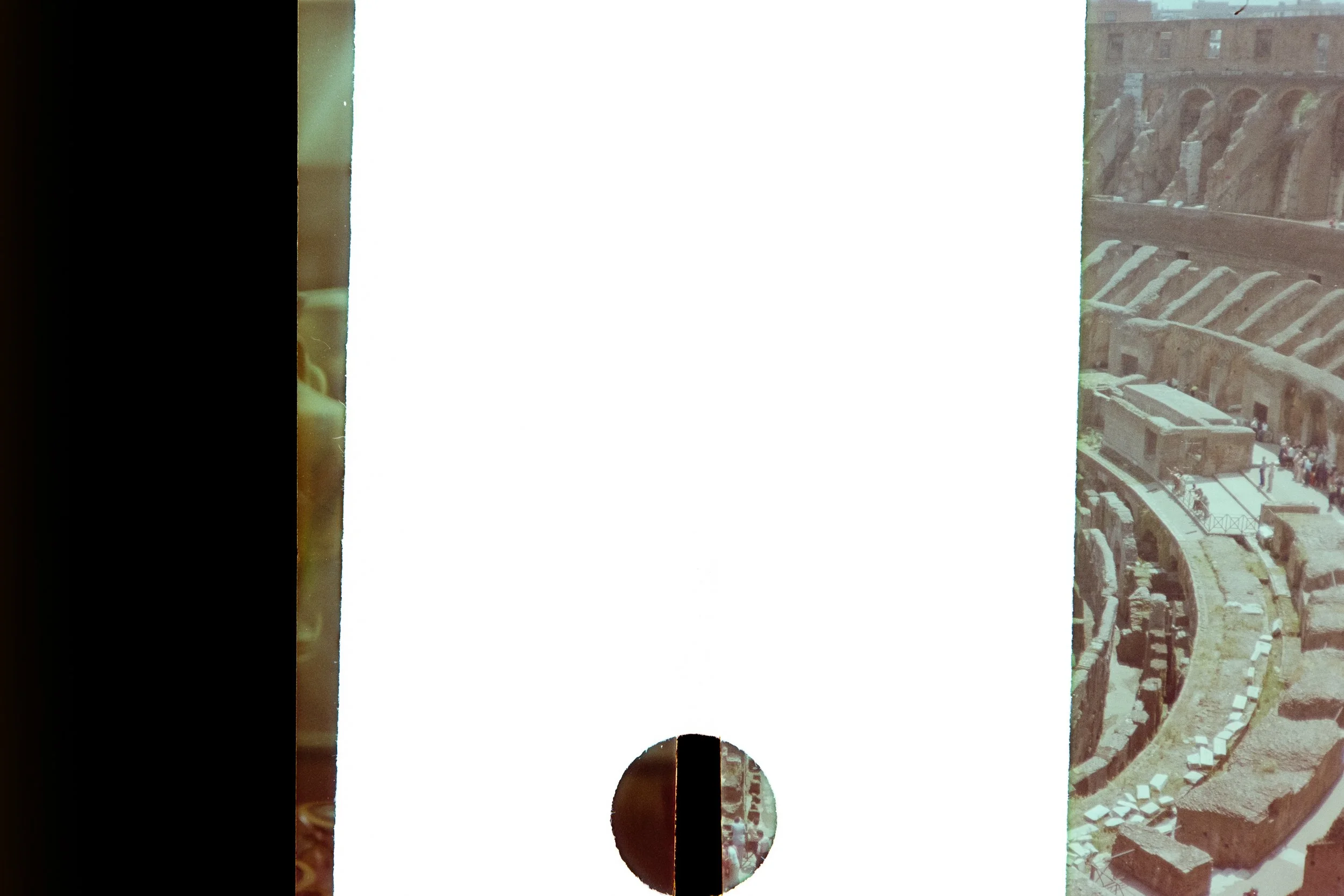
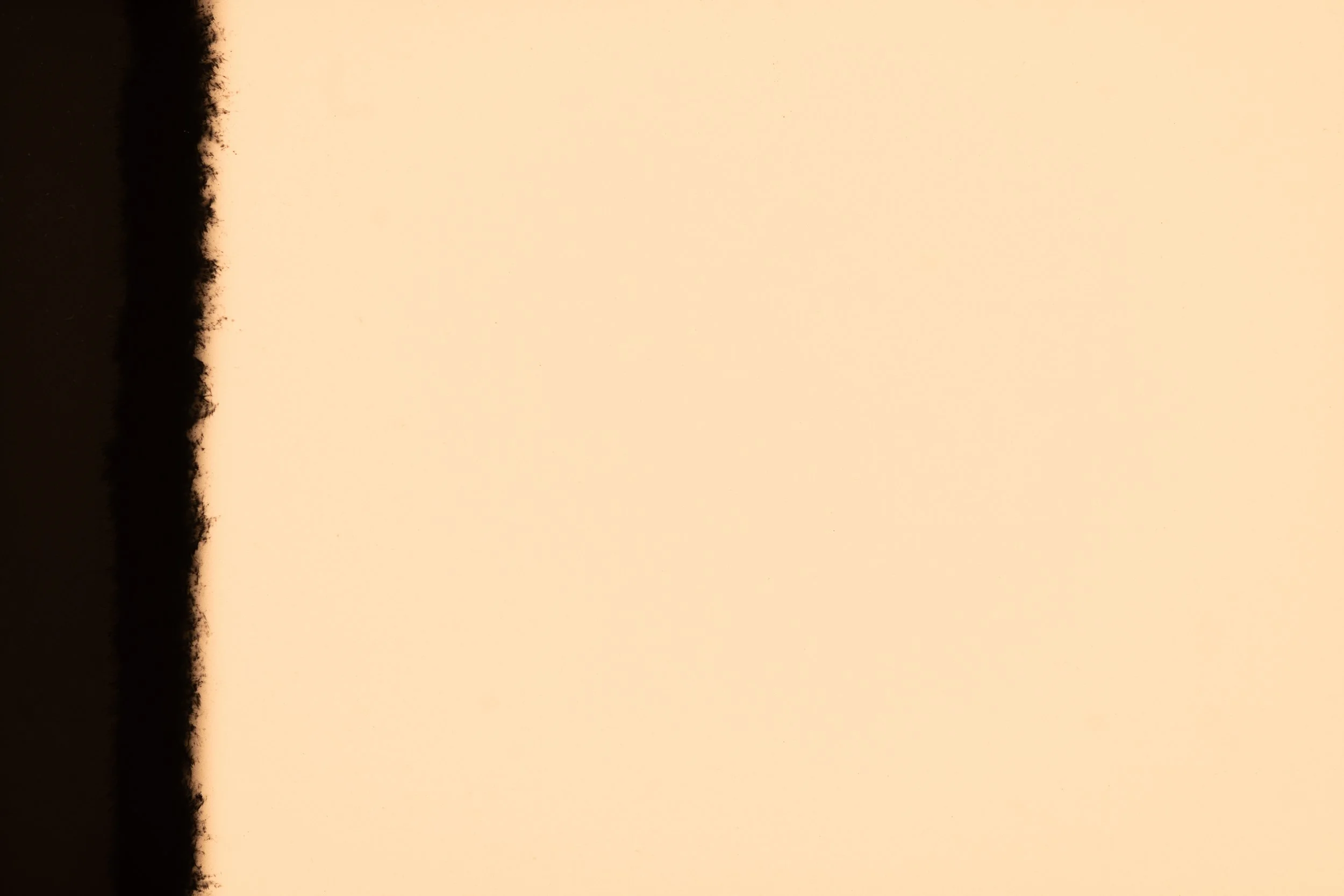
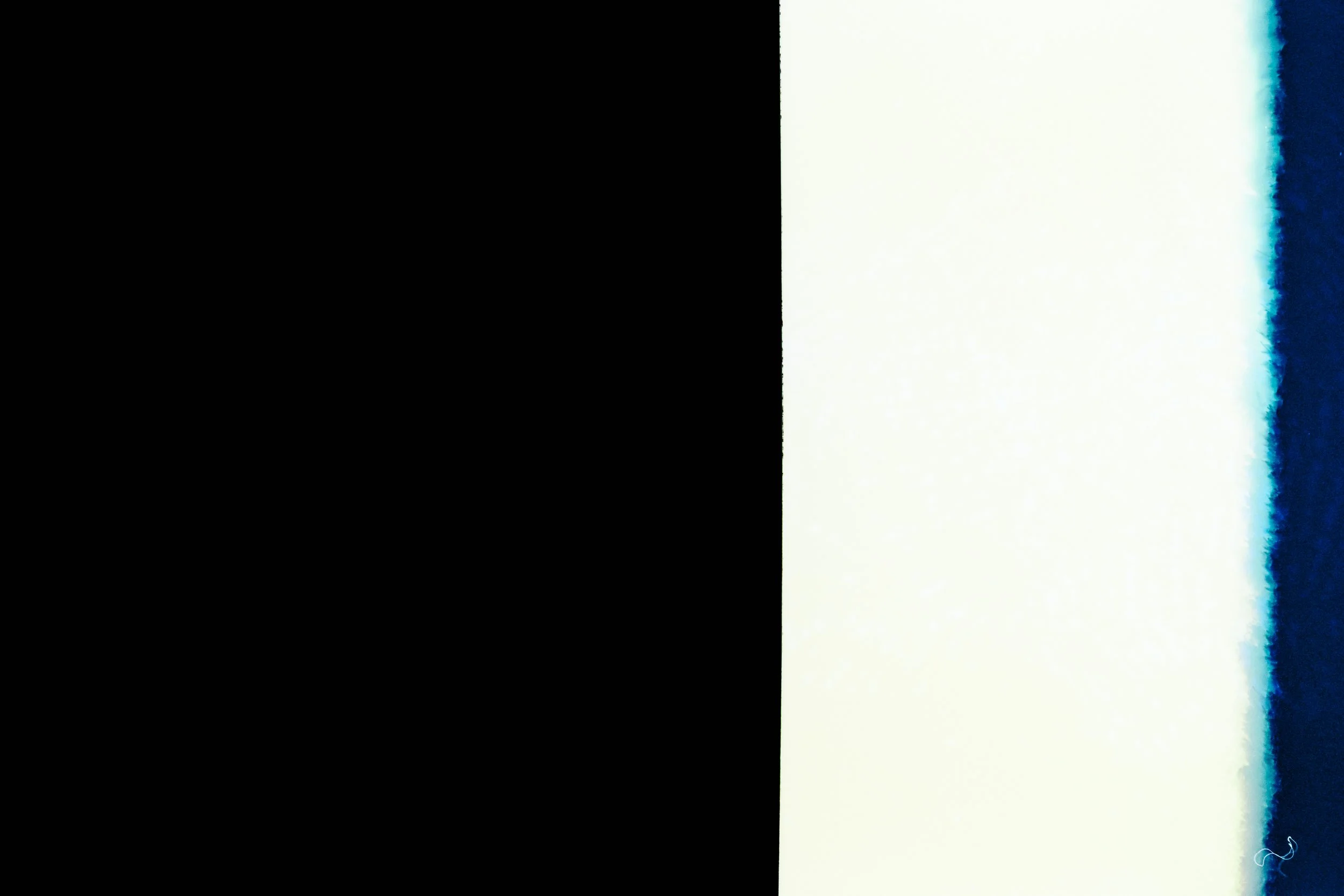
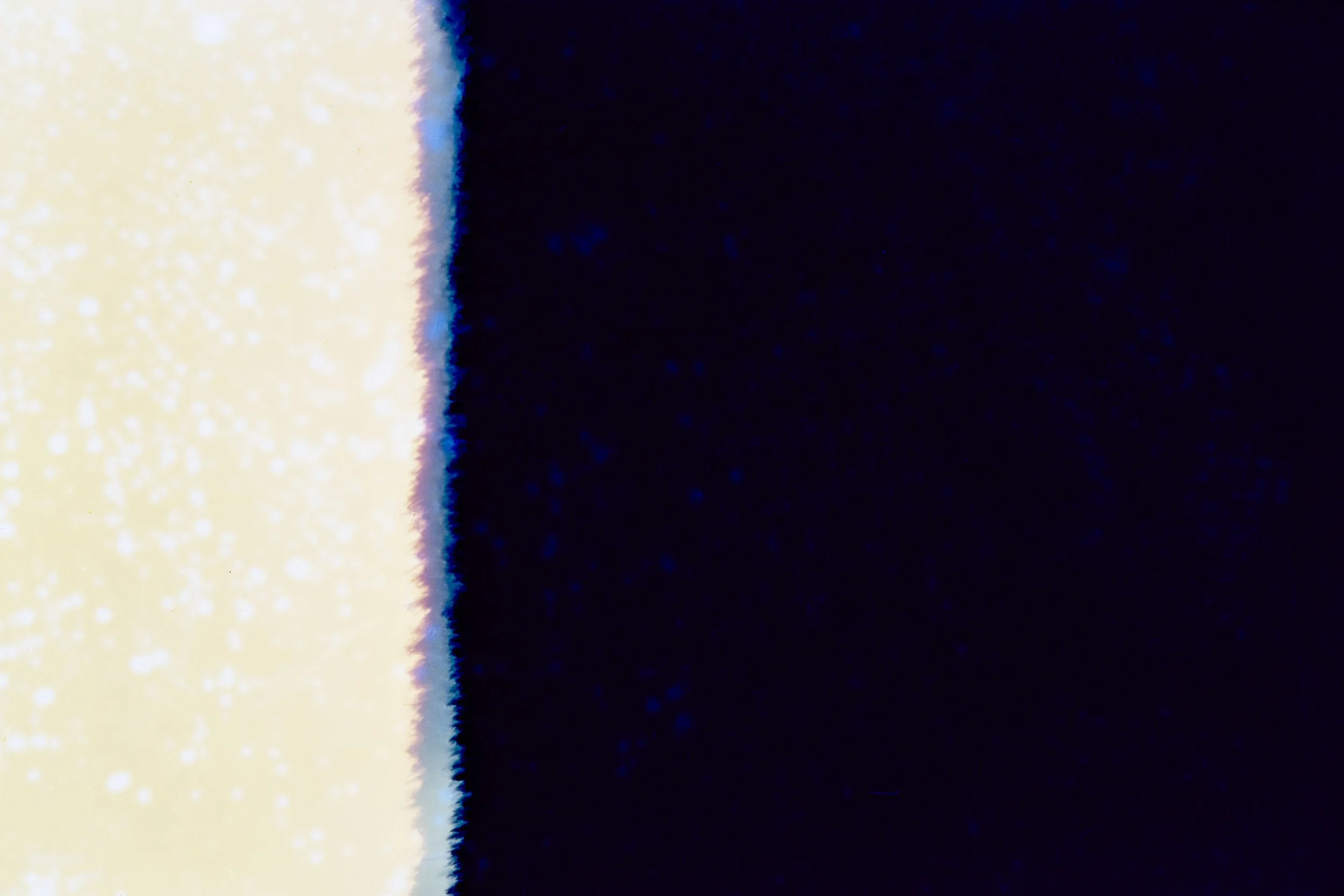
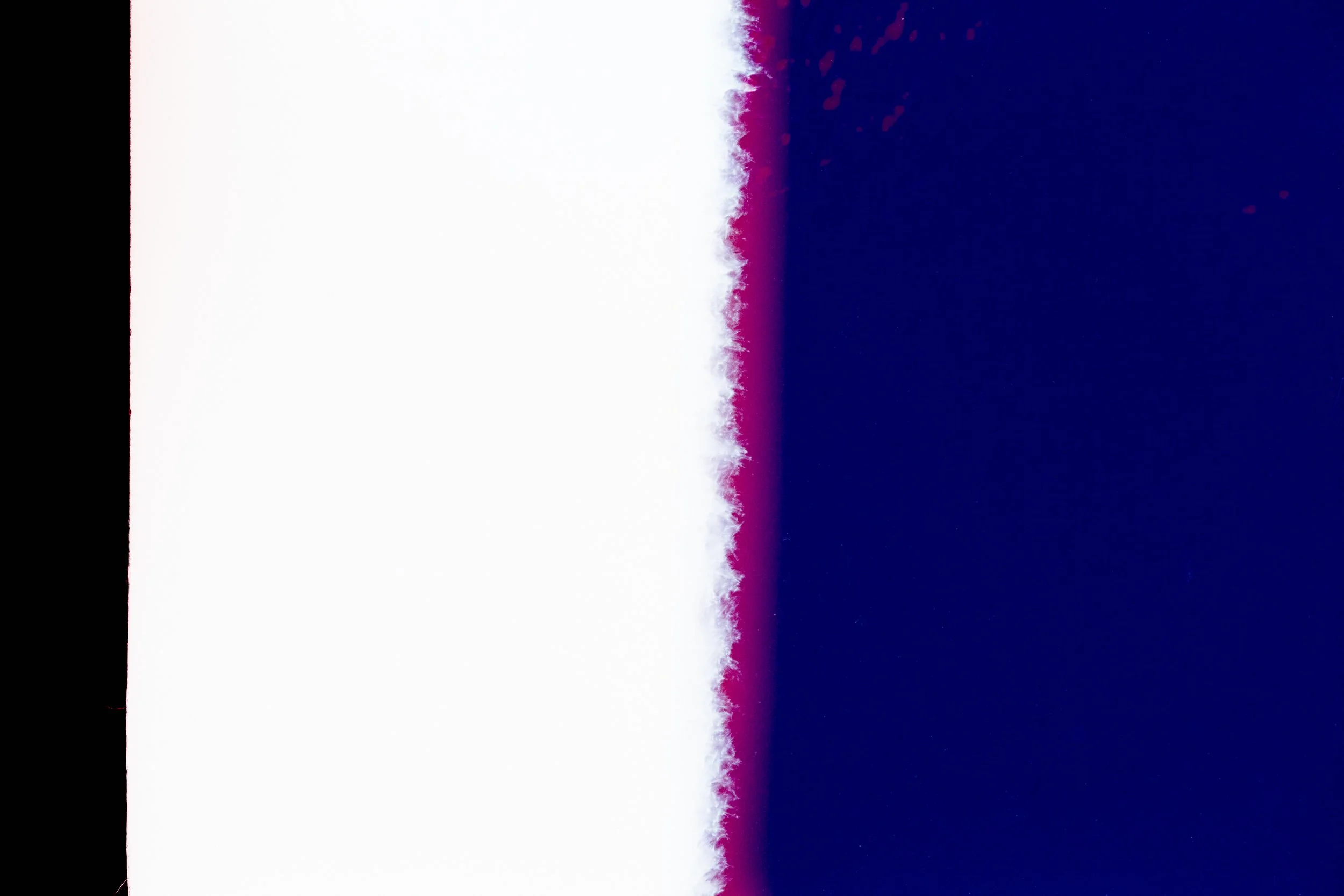
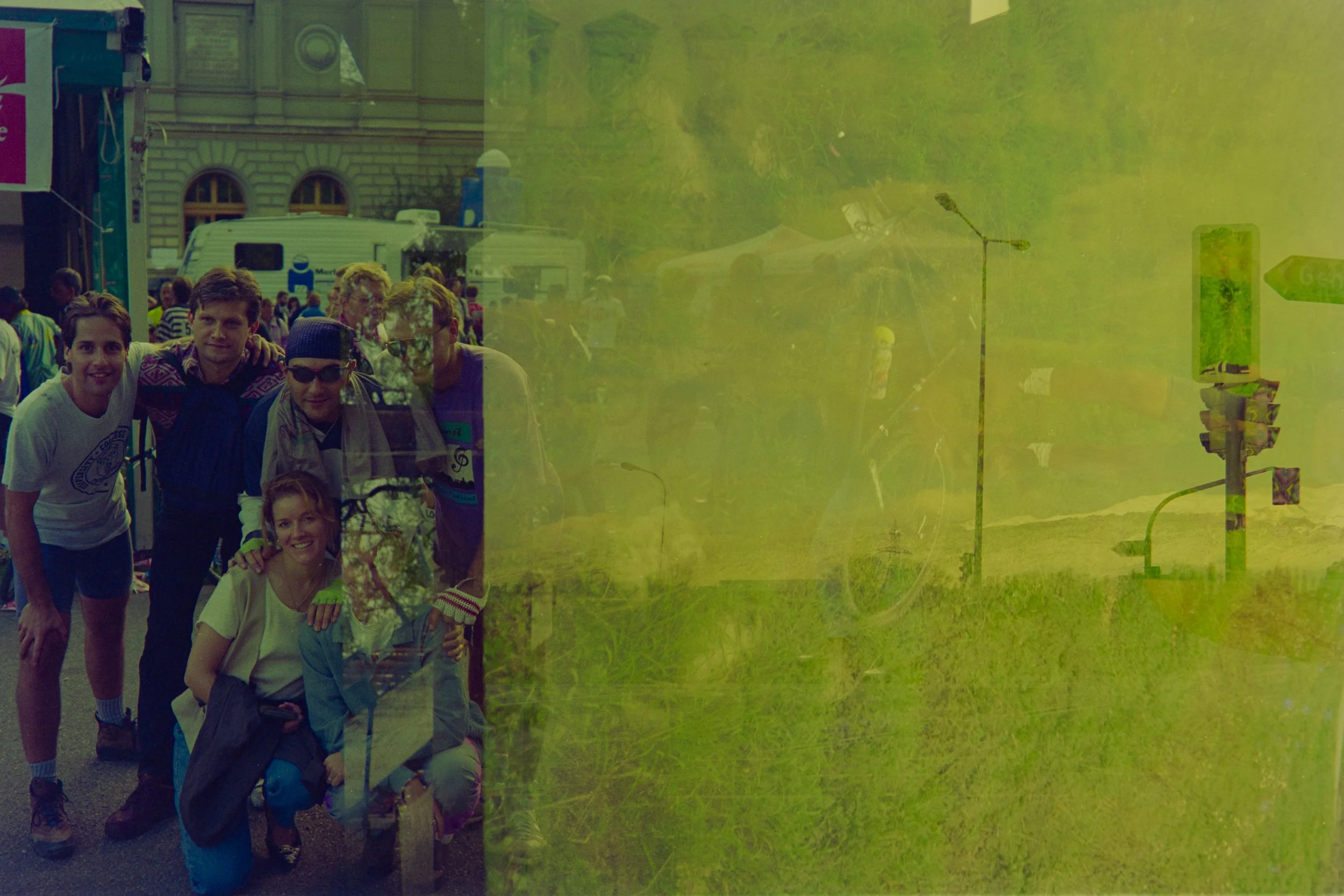
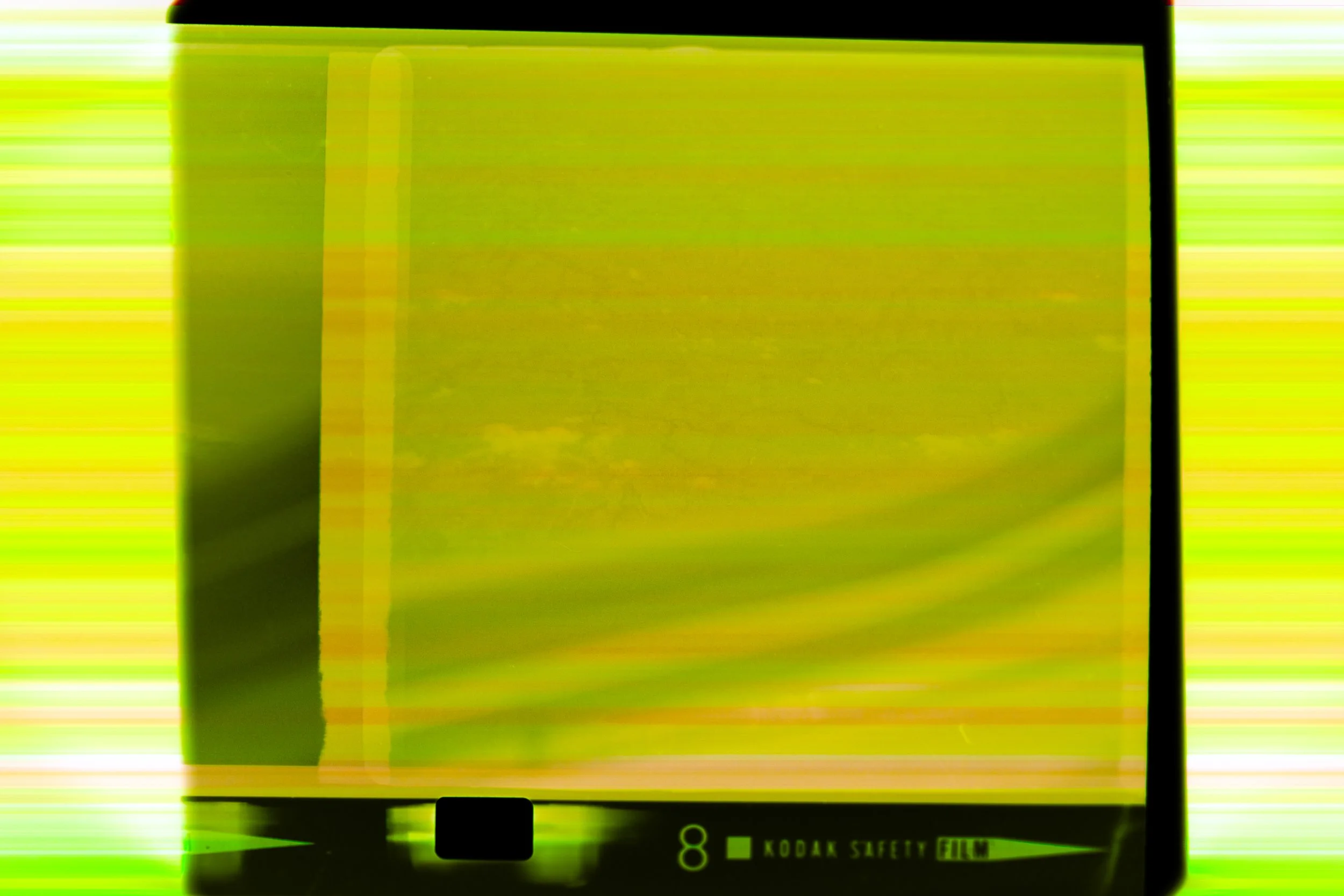
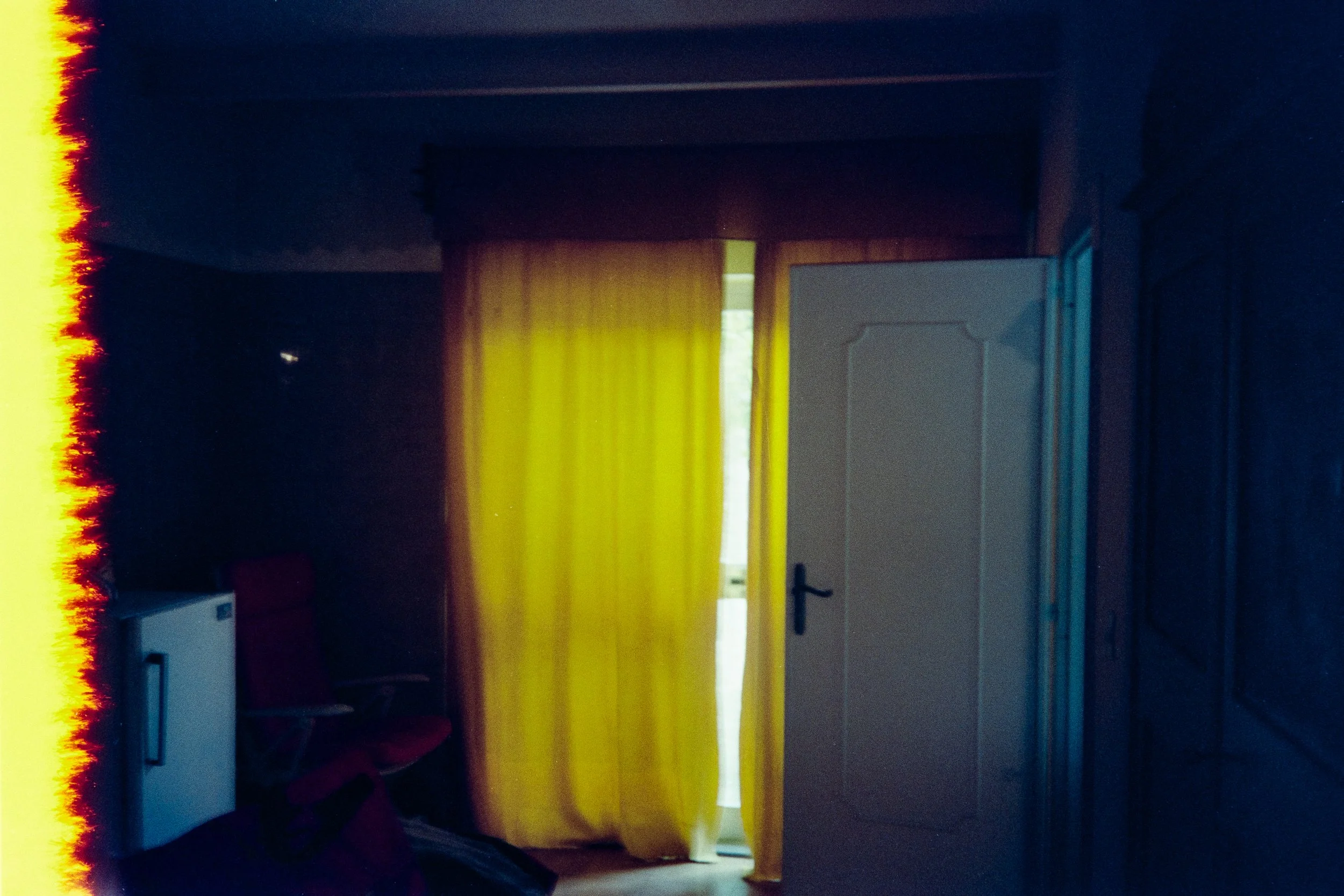
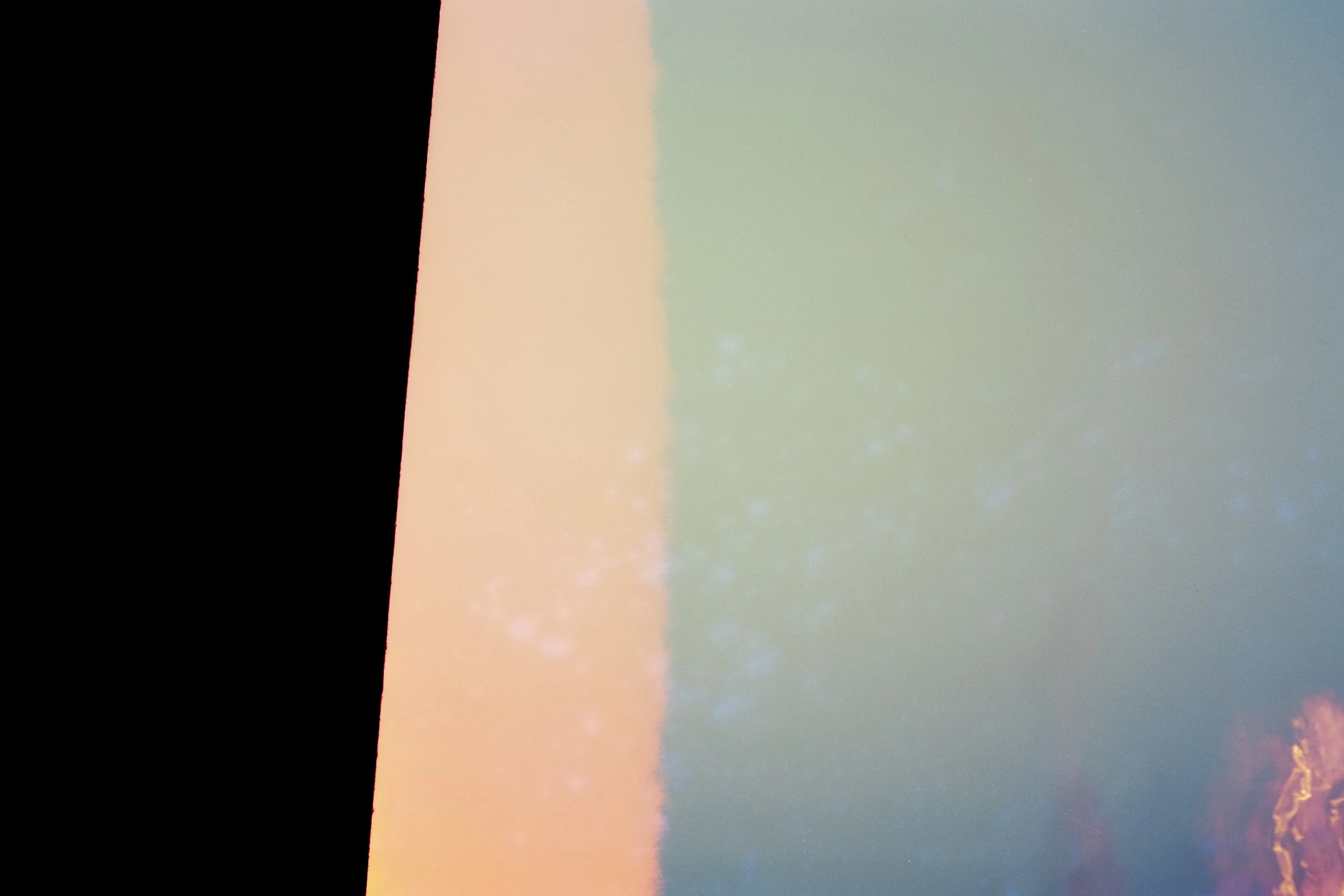
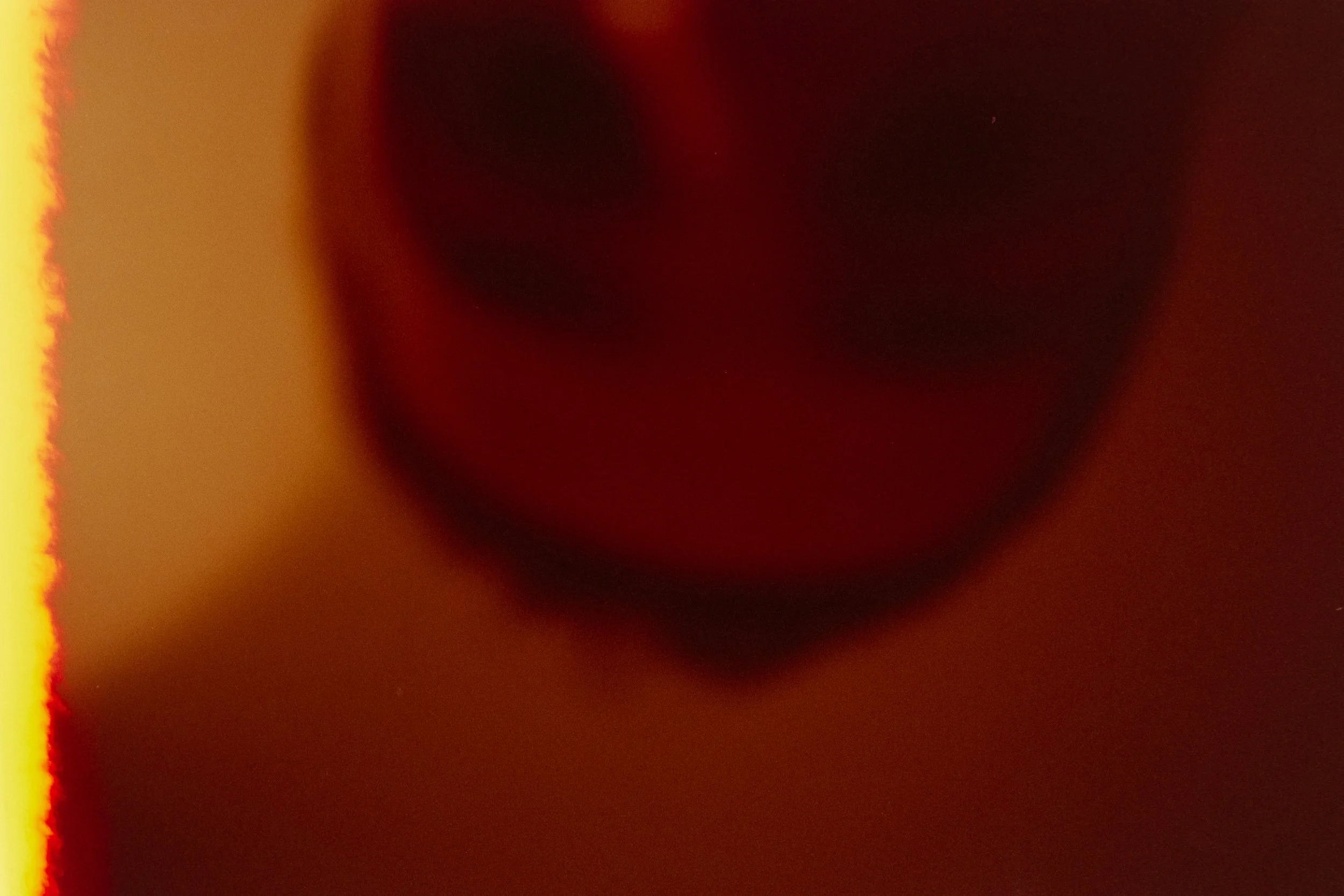
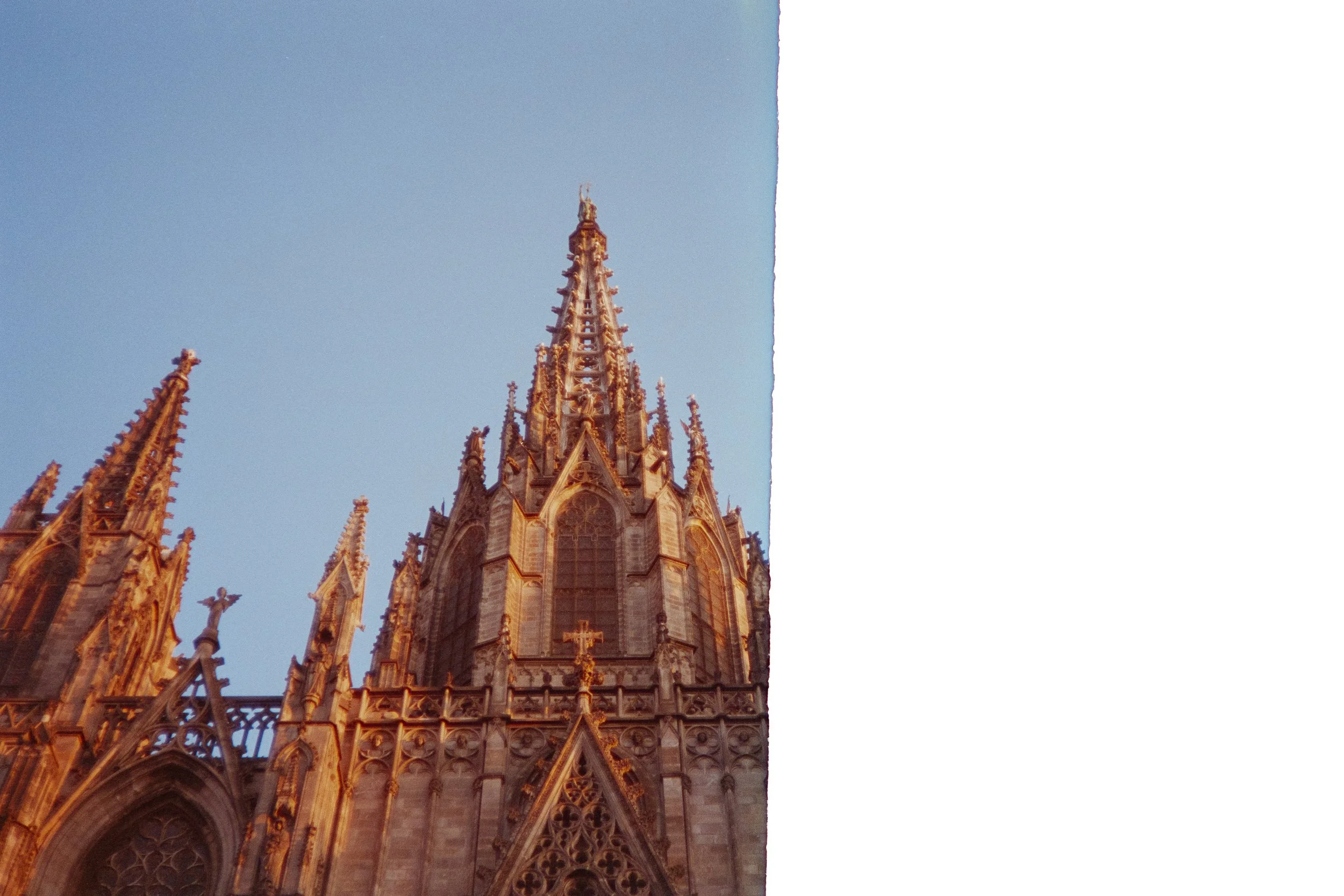
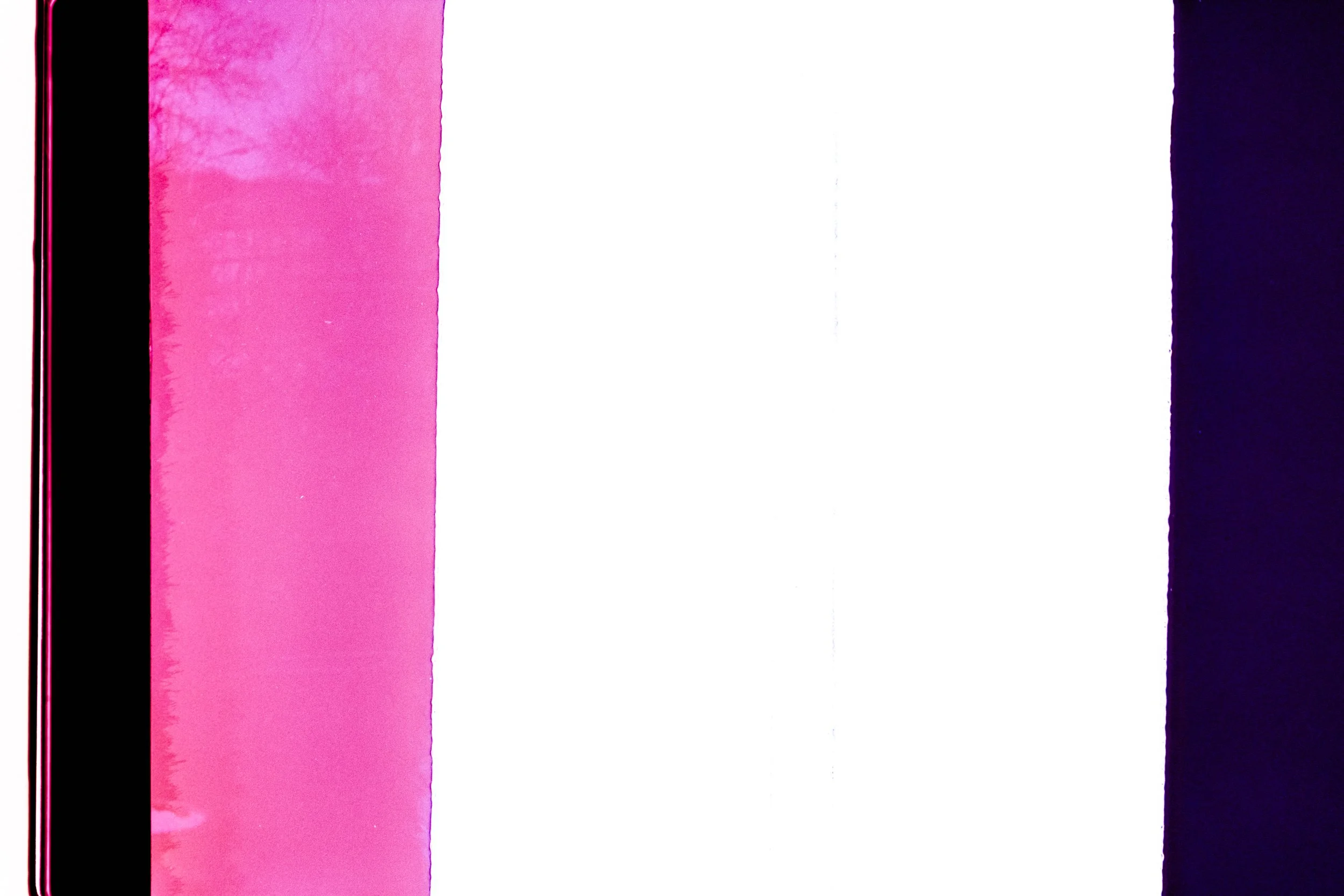
This series focuses on end-of-roll frames: those first and last exposures on a roll of film that often fall outside intention. For many of us who grew up working with analog photography, these images carry a particular memory: the anticipation of picking up developed film, the curiosity of what might have appeared at the edges, and sometimes the frustration of a missed or ruined frame. They sit between accident and expectation, part of the process but rarely the goal.
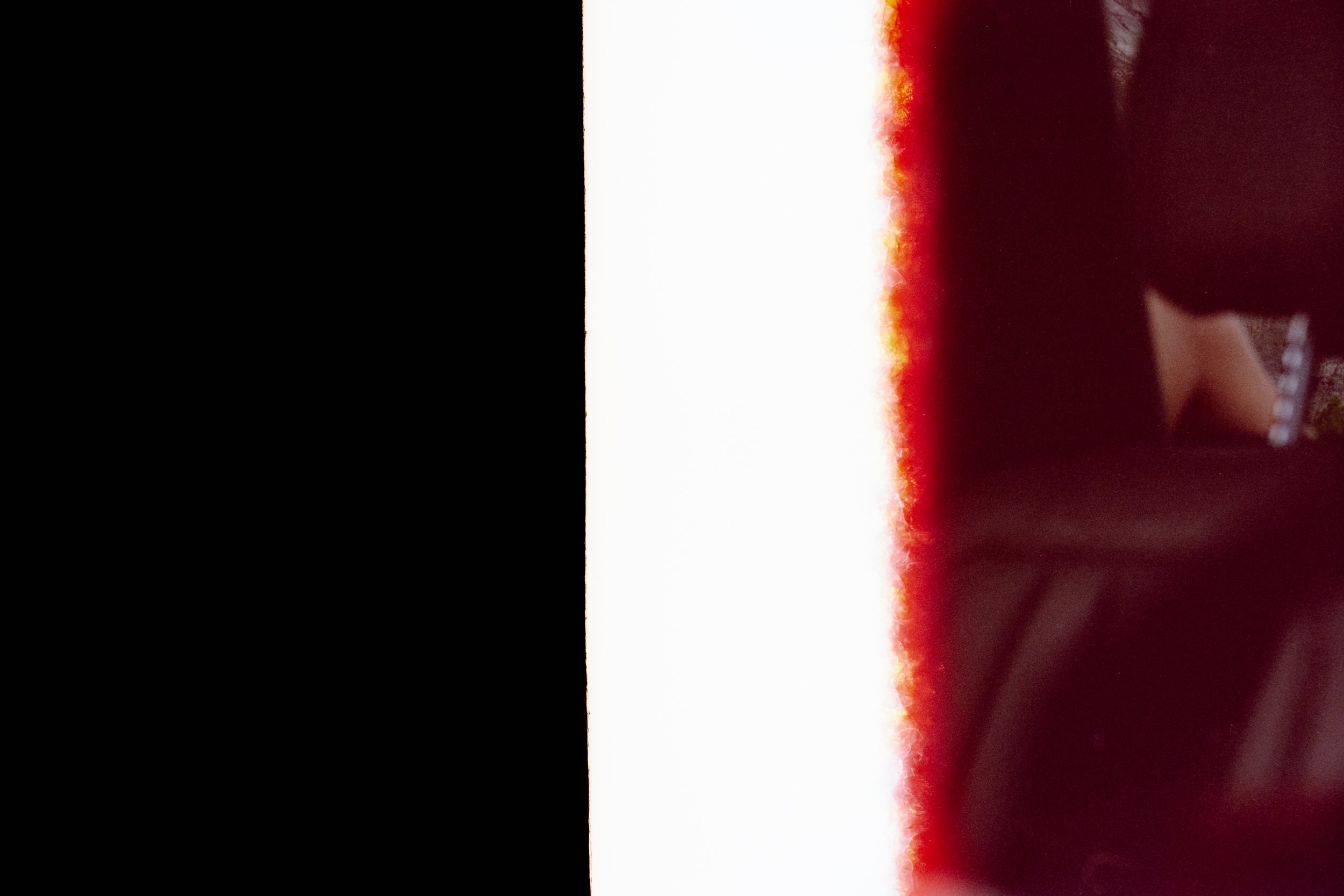
What interests me is how these frames exist at the limits of control. The beginning of the roll is often marked by light leaks, partial exposures, or fragments of earlier images. The end can dissolve into overexposure or abstraction as the film runs out. In both cases, the image is shaped as much by the mechanics of the camera and the material of film as by my intent.
These images don’t function in the same way as conventional photographs. They reveal the conditions of making: the presence of light, the timing of exposure, the physical limits of the medium. At times they suggest recognizable forms, but just as often they slip into something more ambiguous.
There is also a strong sense of projection in these frames. Because they are incomplete, we tend to fill in the gaps, reading into them more than they actually show. A fragment becomes a scene, a blur becomes movement, a light leak becomes atmosphere. In that way, they are less about what is depicted and more about how we look.
By isolating and presenting these end-of-roll images, the series shifts attention toward what is usually overlooked. What might once have been considered unusable or accidental becomes the subject itself. These frames hold a different kind of value: not as finished images, but as traces of a process, moments where intention breaks down and something unexpected emerges.
Ultimately, the work reflects on photography as both a controlled and unstable medium. Even in its most deliberate form, it is shaped by variables that cannot be fully managed. The end-of-roll frame makes that visible. It reminds us that images are not only constructed but they are also fragile and open to interpretation.