Simulacra
Simulacra is a photographic series of carefully staged scenes rooted in contemporary social and political issues. Dark and cinematic, the images respond to tensions surrounding power, inequality, violence, gender, identity, consumption, and our changing relationship to one another. Rather than documenting these subjects directly, the photographs transform them into constructed, often ambiguous narratives.
At first glance, each image appears to present a coherent scene. But on closer inspection, something is slightly wrong: details conflict, relationships become uncertain, and the apparent logic of the image begins to break down. Familiar situations become strange, leaving the viewer to question what is happening and what assumptions led them to their initial interpretation.
The photographs draw on the visual language of art history through dramatic lighting, theatrical composition, and archetypal figures. These references connect contemporary concerns to older representations of power, suffering, desire, and human behavior. Familiar visual codes become a way of examining how images have historically shaped our understanding of the world.
The figures themselves occupy an uncertain space between real people and symbolic characters. Their gestures and surroundings suggest narratives without fully explaining them. The viewer is asked to complete the story, bringing personal experience, cultural references, and social assumptions into the act of interpretation.
The title Simulacra refers to Jean Baudrillard’s idea that representations can become detached from the realities they once described and eventually create realities of their own. This idea has become increasingly relevant in a culture saturated with advertising, social media, and digitally constructed realities. What appears artificial can acquire the authority of truth, while what appears real may itself be staged, manipulated, or mediated.
At its core, Simulacra uses constructed photography to reflect on the contradictions of contemporary life. The photographs create spaces of uncertainty in which social realities, fiction, and personal perception collide, asking us to consider not only what we see, but how we have learned to believe it.
Simulacrum 1, 2018, see ‘Simulacrum I’
Simulacrum 2, 2018, see ‘Simulacrum II’
Simulacrum 3, 2018, see ‘Simulacrum III’
Simulacrum 4, 2020, see ‘Simulacrum IV’
Simulacrum 5, 2019, see ‘Simulacrum V’
Simulacrum 6, 2018, see ‘Simulacrum VI’
Simulacrum 7, 2018, see ‘Simulacrum VII’
Simulacrum 8, 2018, see ‘Simulacrum VIII’
Simulacrum 9, 2018, see ‘Simulacrum IX’
Simulacrum 10, 2018, see ‘Simulacrum X’
Simulacrum 11, 2019, see ‘Simulacrum XI’
Simulacrum 12, 2018, see ‘Simulacrum XII’

Simulacrum 13, 2019, see ‘Simulacrum XIII’
Simulacrum 14, 2020, see ‘Simulacrum XIV’
Simulacrum 15, 2021, see ‘Simulacrum XV’
Simulacrum 16, 2021, see ‘Simulacrum XVI’
Simulacrum 17, 2021
Simulacrum 18, 2021
Simulacrum 19, 2021
Simulacrum 20, 2021
Simulacrum 21, 2021
Simulacrum 22, 2021
Simulacrum 23, 2021

Simulacrum 24, 2022
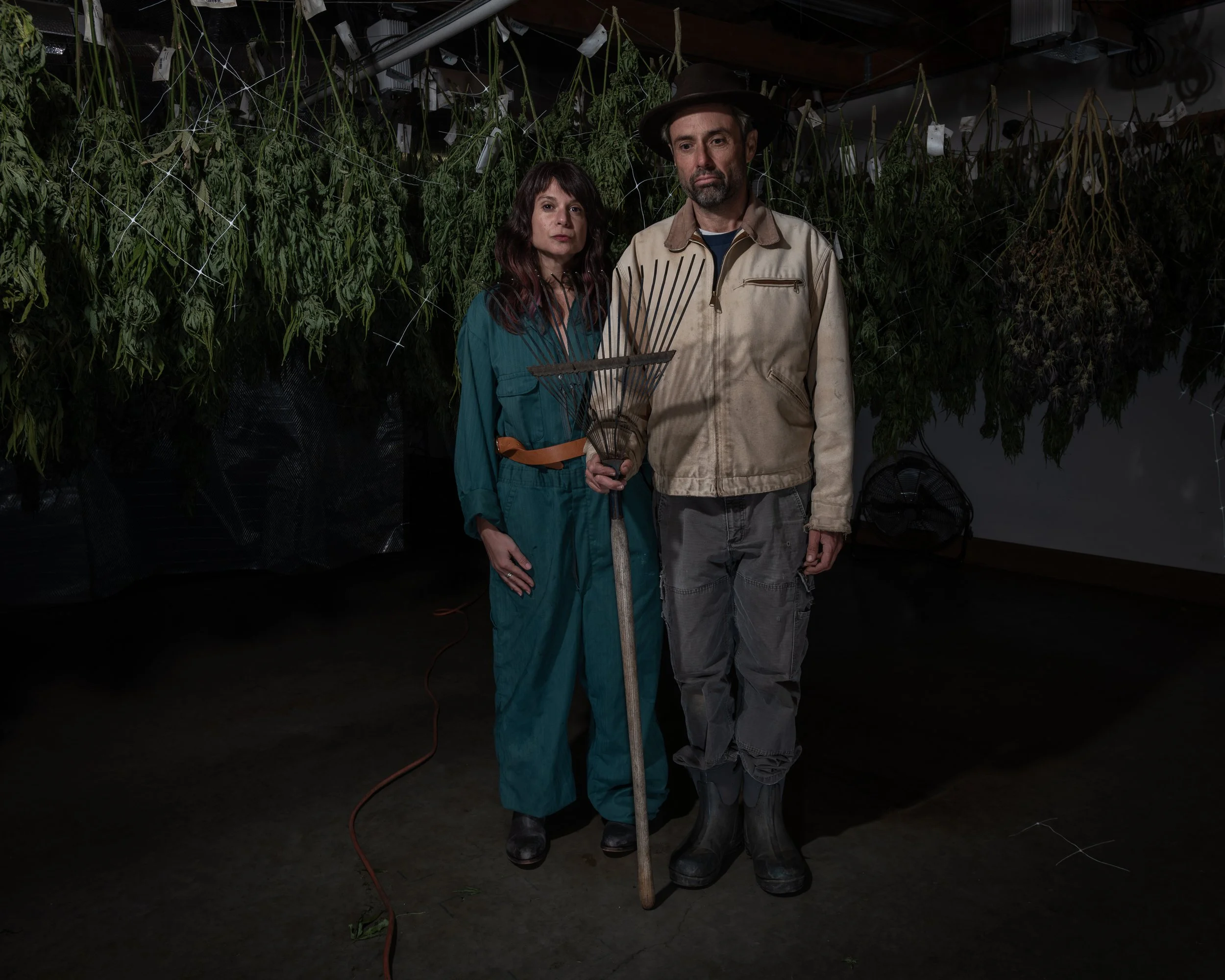
Simulacrum 25, 2020
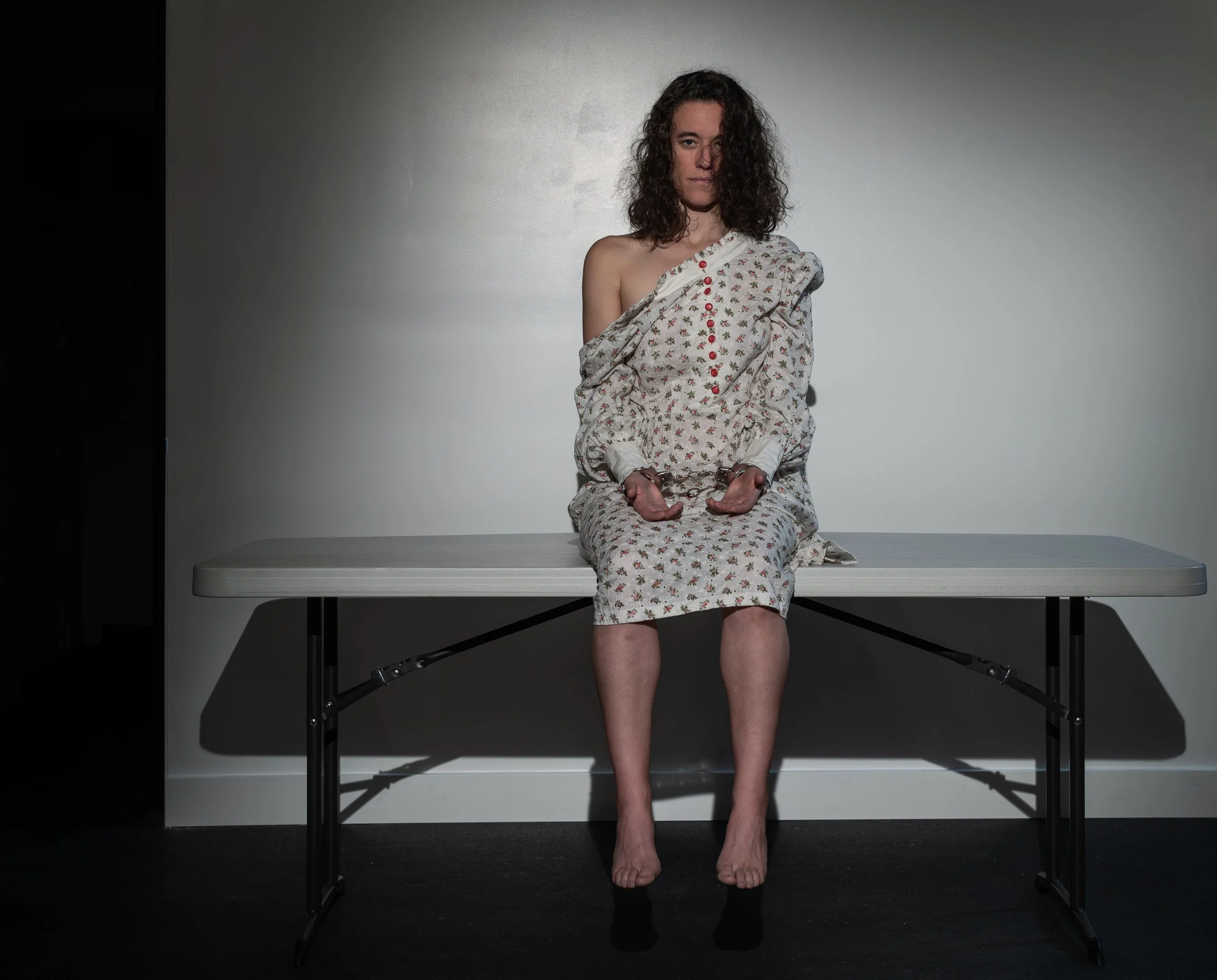
Simulacrum 26, 2018
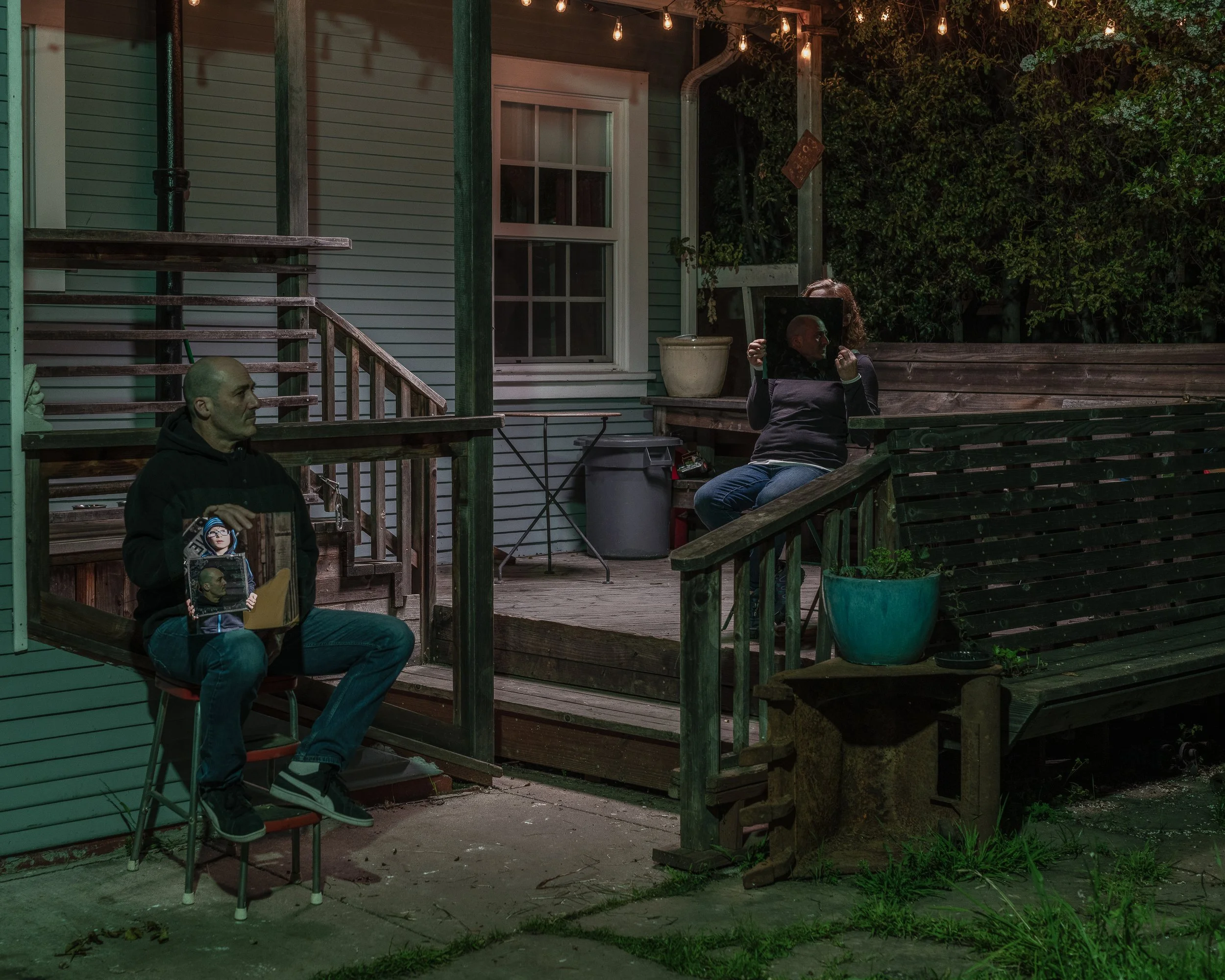
Simulacrum 27, 2022
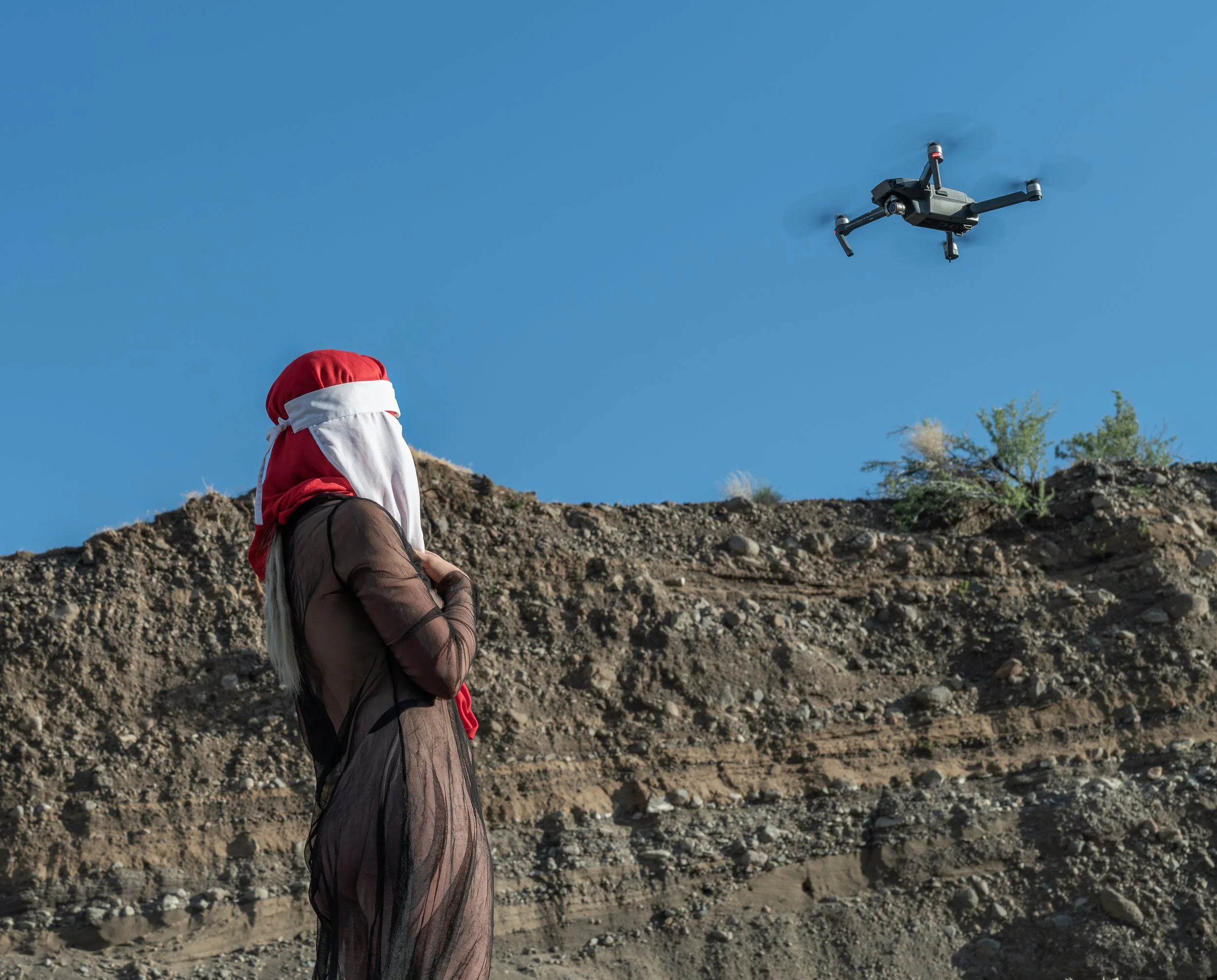
Simulacrum 28, 2018
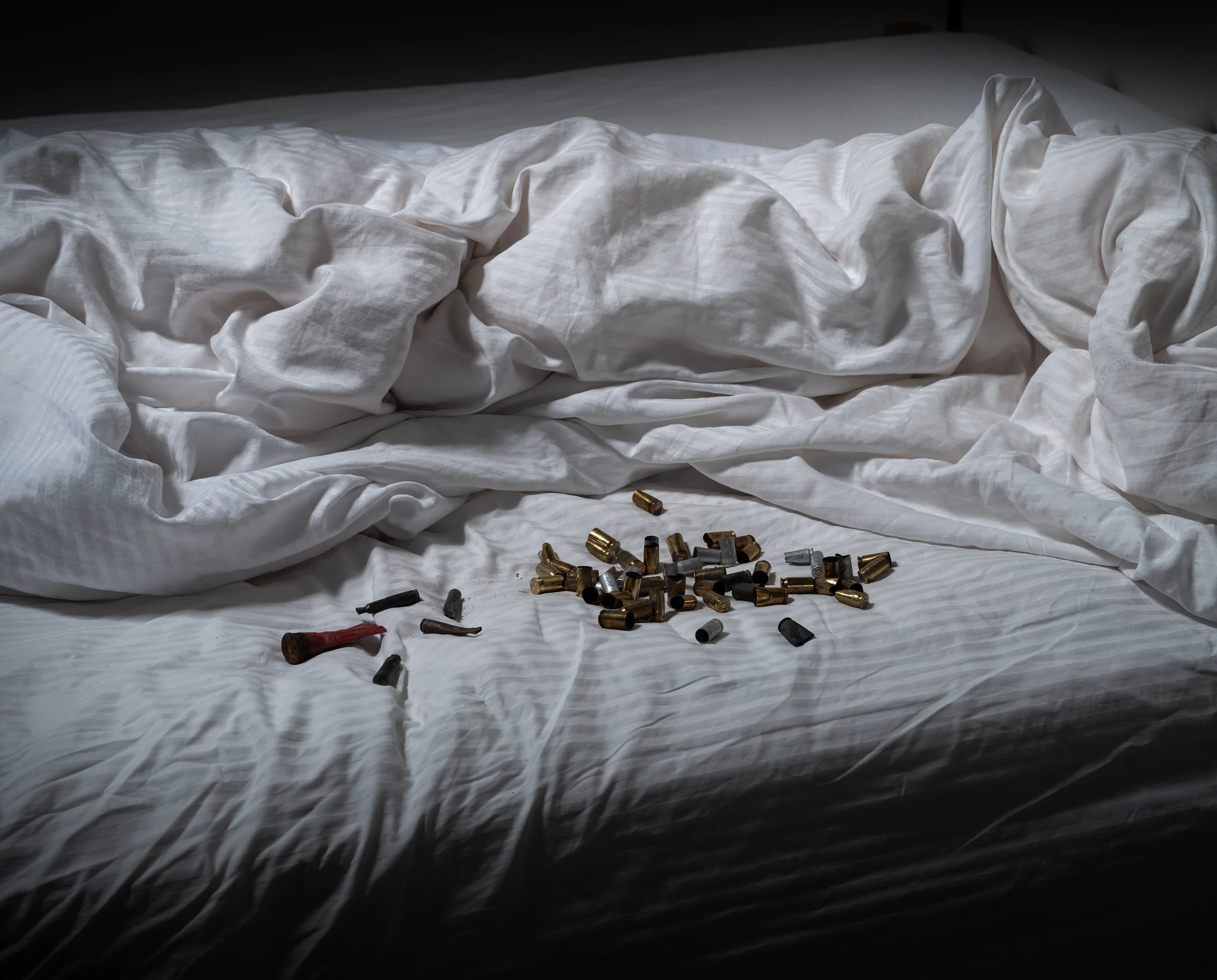
Simulacrum 29, 2019